Lower skin tolerance
Products, heat or touch may feel stronger when the skin is already stressed or depleted.


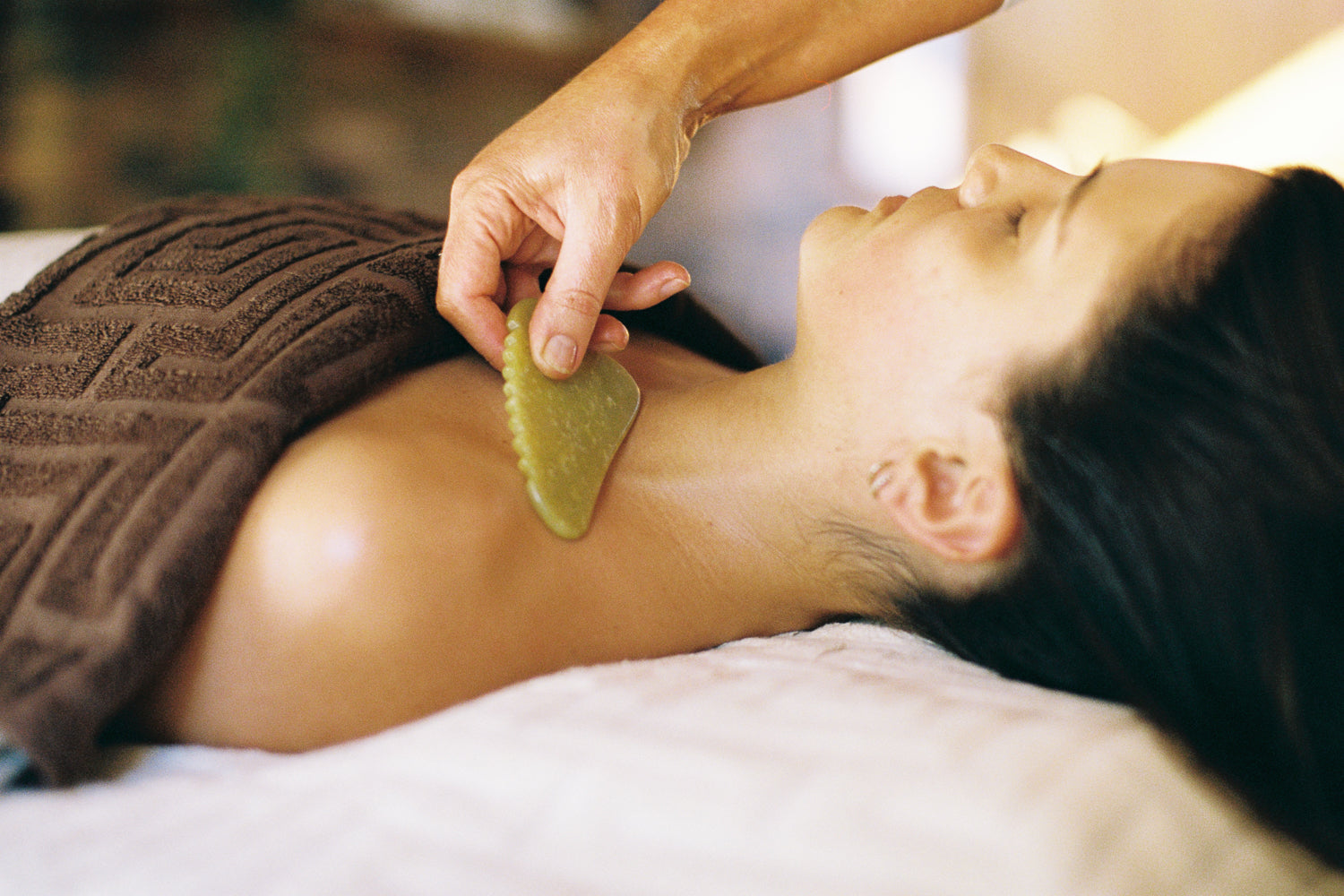
Nervous system and skin
A calm guide to the ways poor sleep can overlap with skin tolerance, facial puffiness, jaw holding and a routine that suddenly feels like too much.
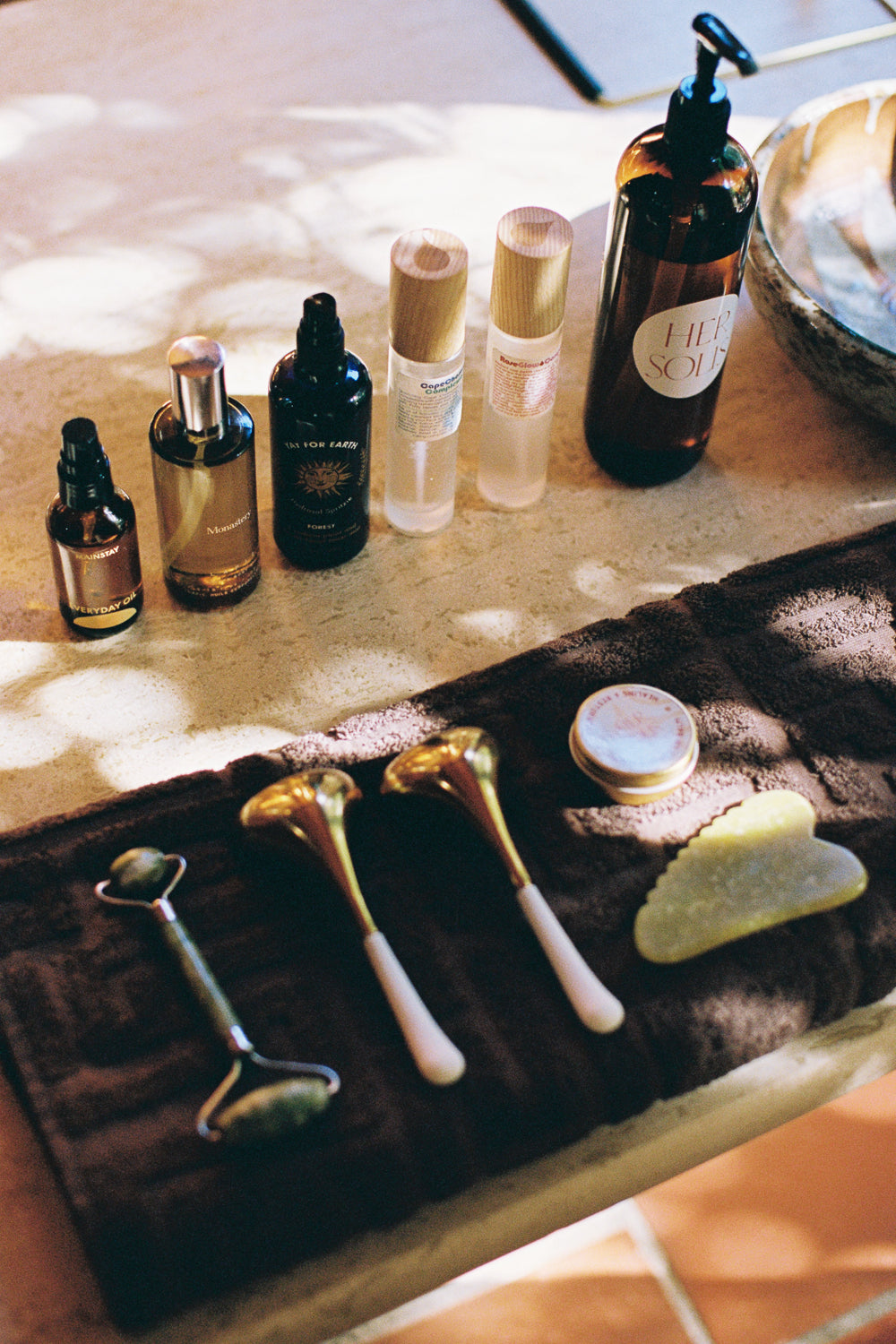
A useful connection, not a diagnosis
People often notice that after poor sleep the face feels puffy, held, dull or less tolerant of their usual skincare. Current evidence suggests sleep disruption can interact with inflammatory signalling, barrier behaviour and symptom experience for some people. It does not mean sleep is the cause of every skin concern.
This page sits under Nervous System and Skin and beside Stress and Skin Reactivity, Skin Barrier Repair and Facial Puffiness Support. If sleep loss is persistent, severe, linked with breathing changes, pain, mood changes or impaired daily function, qualified sleep or medical care should come first.
Common overlaps
Products, heat or touch may feel stronger when the skin is already stressed or depleted.
Sleep, travel, salt, alcohol, medication and many other factors can influence temporary cosmetic puffiness.
Clenching, temple pressure and facial guarding can overlap with a busy or under-rested system.
A lower-pressure approach
Her Solis does not treat insomnia or sleep disorders. We use sleep-and-skin education to guide calmer facial pacing and simpler choices when the system already feels overloaded.
For a small complementary wind-down ritual—not sleep treatment—see Ear Seeds for Sleep. For the science boundary around vagus language, see Vagus Nerve and Skin Stress.
Evidence and limits
Research indicates that sleep and skin are connected through several pathways, but individual outcomes are not predictable from one night of sleep or one facial. Genetics, climate, products, skin conditions, medication, hormones, health history and stress load also matter.
More high-quality research is needed on practical cosmetic interventions. Her Solis does not claim to diagnose sleep disorders, treat anxiety, improve sleep quality or treat acne, rosacea, dermatitis or other skin disease through facial therapy.
FAQs
Poor sleep can overlap with skin reactivity and symptom experience, but it is not the sole cause of every skin concern. Persistent or significant changes need appropriate clinical assessment.
No. Her Solis does not treat insomnia or sleep disorders. A slower facial can be a restorative wellbeing experience for suitable clients, not sleep medicine.
Temporary puffiness can have many contributors. Read Facial Puffiness Support for cosmetic context and medical red flags, especially if swelling is new, painful, severe, one-sided or persistent.
Read Nervous System and Skin, Stress and Skin Reactivity and Ear Seeds for Sleep for related, conservative support.