Lower Tolerance
Products, heat, cleansing or touch that normally feel fine may sting, flush or feel like too much.


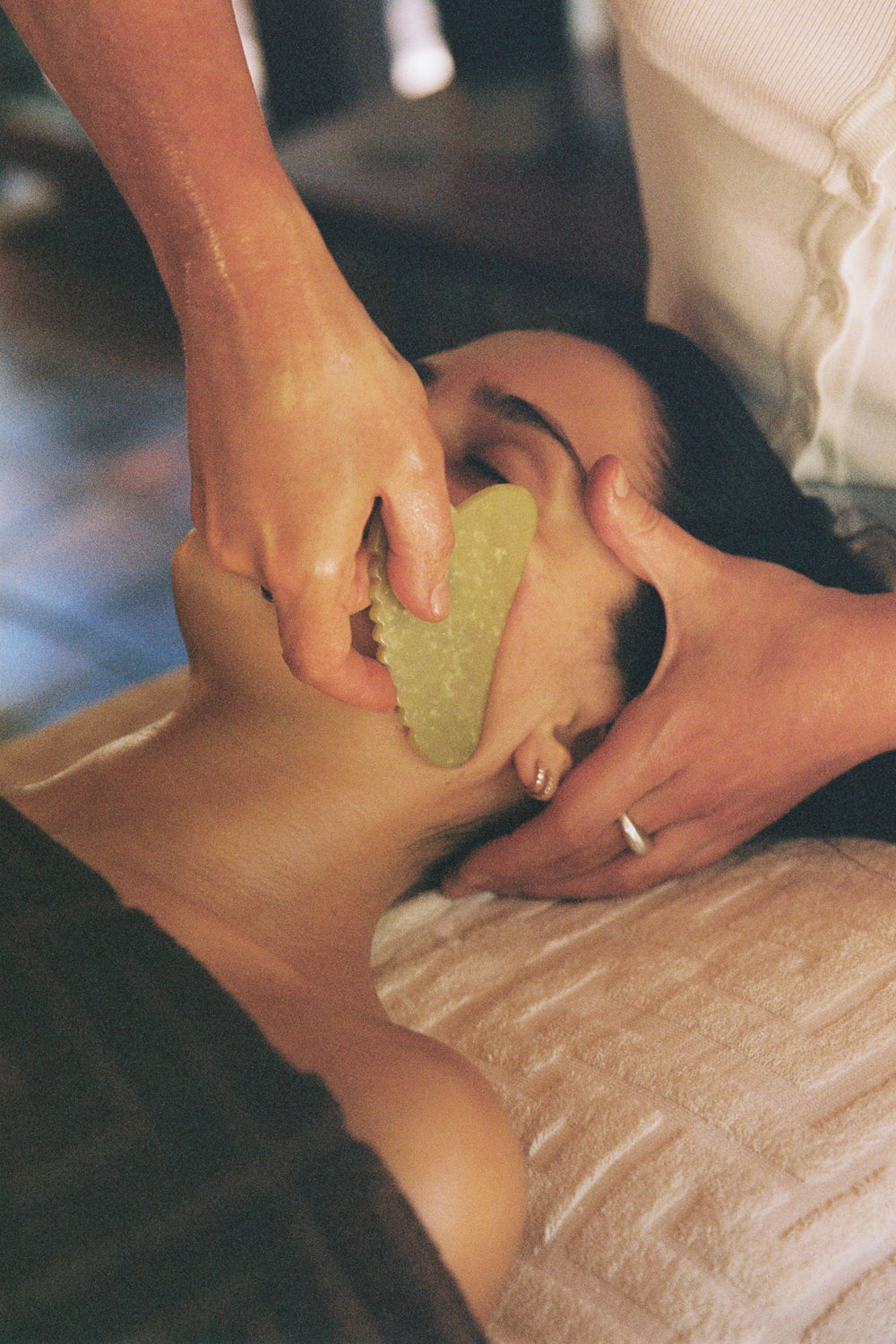
Gold Coast skin education
A calm, evidence-aware guide for people whose skin seems more reactive when stress is high, sleep is poor, the jaw is clenched, or the body feels wired but tired.
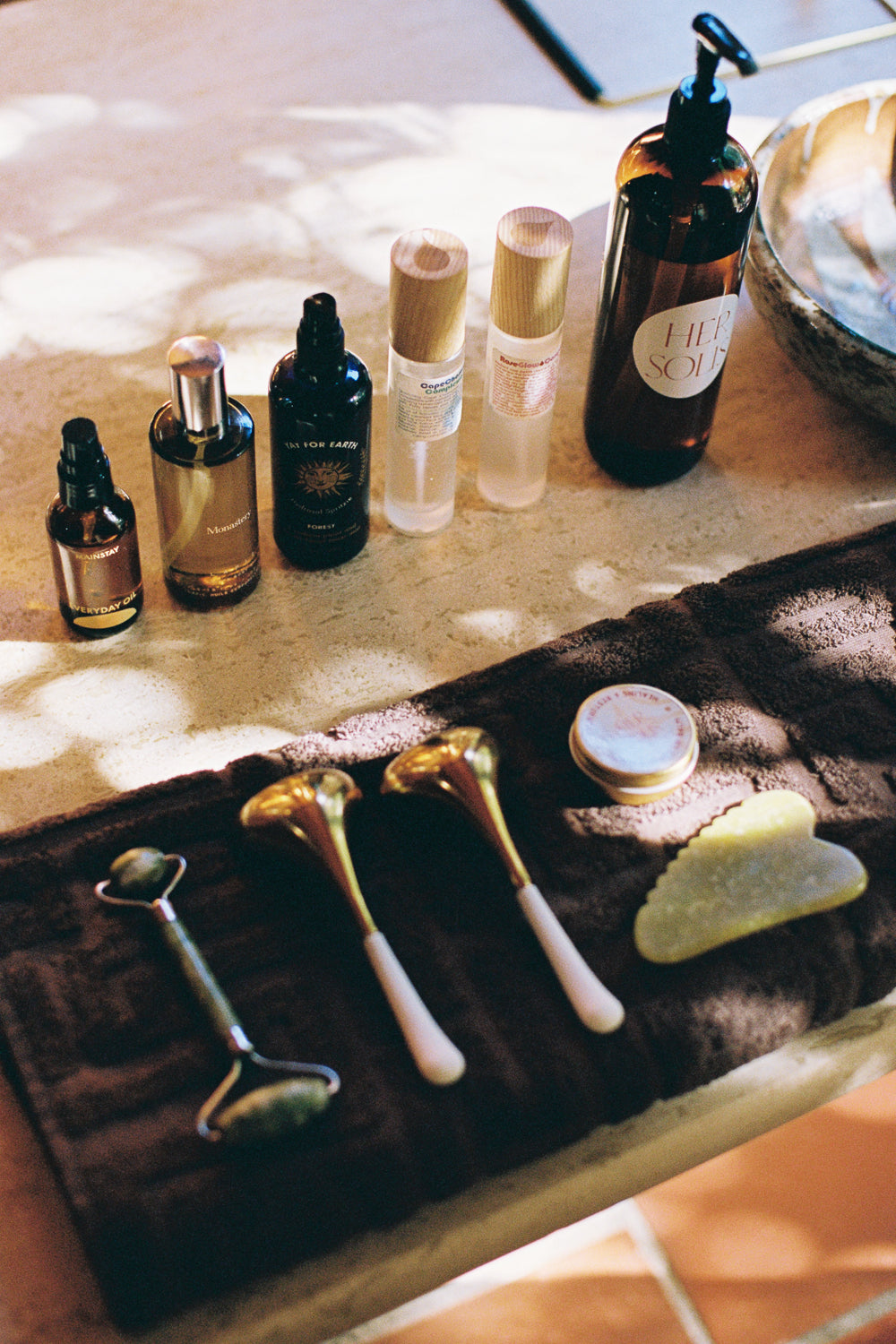
What this page is about
Stress and skin reactivity is not one diagnosis. It is a practical way of describing a pattern many people notice: the skin feels hotter, stingier, puffier, more flushed, more breakout-prone or less tolerant when life is overloaded.
Current evidence suggests psychological stress, sleep disruption and the brain-skin axis can influence inflammatory signalling, skin barrier behaviour and symptom experience for some people. That does not mean stress is the root cause of every skin concern. It means stress load may be one part of the picture alongside barrier health, products, climate, hormones, medication, medical conditions, diet, sleep and genetics. If you want the narrower science boundary around vagus-nerve language, read Vagus Nerve and Skin Stress.
This page sits under Nervous System and Skin and connects directly to Skin Barrier Repair, Sensitive Skin Barrier Support and the Skin Microbiome guide. If you are sorting out whether your routine concern is more about barrier tolerance or microbiome marketing, Skin Barrier vs Skin Microbiome gives the practical distinction. If redness, acne, dermatitis, persistent flushing or sudden change is the main concern, medical or dermatology care may need to come first.
Common patterns
Products, heat, cleansing or touch that normally feel fine may sting, flush or feel like too much.
Clenching, temple pressure and guarded facial muscles often rise when the body is carrying sustained load.
Poor sleep, travel, stress and facial holding may change how fluid, softness and brightness show up in the face.
When stress is high, people often add more actives, exfoliation or switching, even when the skin may need fewer variables.
Her Solis approach
The Her Solis approach is not to diagnose stress as the cause of the skin. It is to notice when the body is already over-signalling and choose a calmer, more tolerable treatment direction.
That may mean slower touch, lighter lymphatic work, fewer tools, less heat, no exfoliation, simpler skincare, more time for the face to settle, or a treatment such as Transform Facial when the main need is restorative rather than corrective. If jaw tension is leading, TMJ Facial Gold Coast or Jaw Tension Support may be more useful. If the skin itself is stinging or flushing, Sensitive Skin Barrier Support is the better next read.
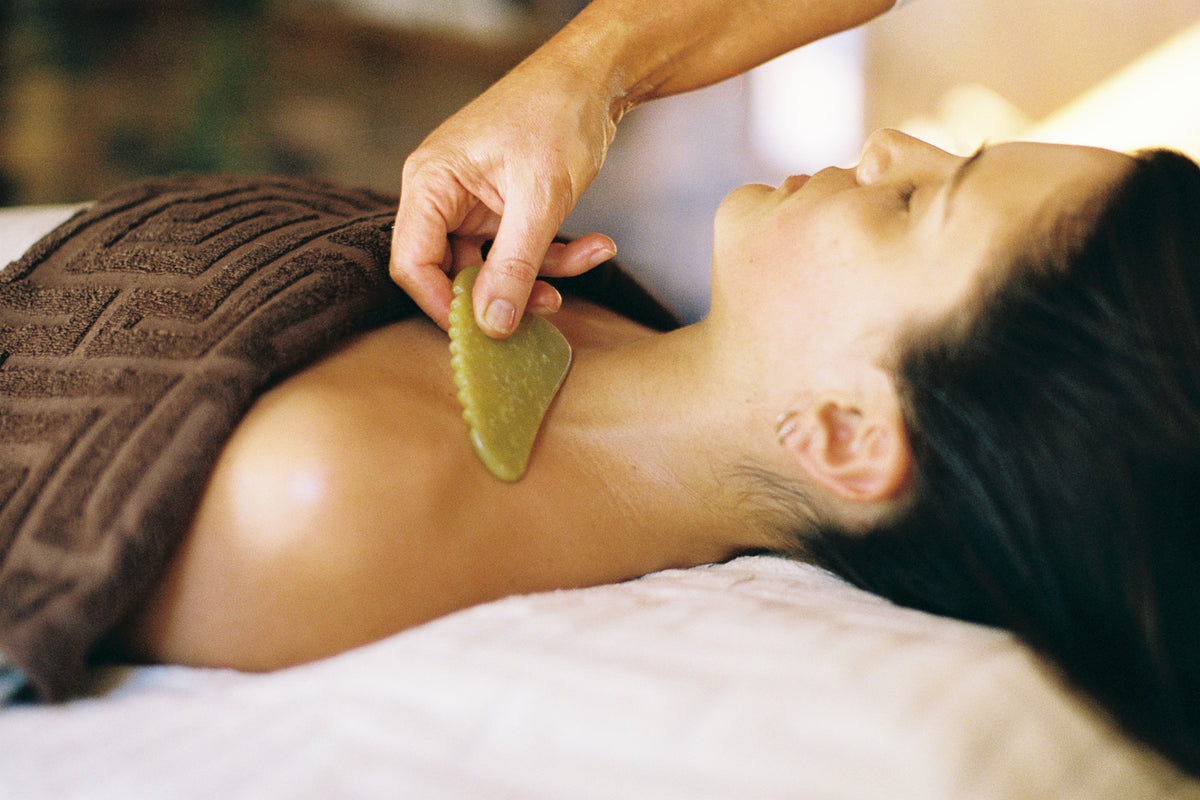
Page pathways
Stress-skin reactivity is a bridge topic. The most useful next page depends on what is actually leading.
Evidence and limits
Current evidence supports a relationship between psychological stress, neuroendocrine signalling, immune activity and skin barrier behaviour. Reviews describe a brain-skin axis where stress may influence inflammatory skin conditions and how symptoms are experienced.
Sleep disruption may also affect skin appearance and barrier resilience for some people. But evidence does not support simple claims that stress is the sole cause of skin disease, or that facial treatments can treat anxiety, insomnia, eczema, acne, rosacea or dermatitis.
The responsible interpretation is practical: during high-load periods, the skin may need fewer irritants, calmer touch, steadier sleep support, less product switching and clearer escalation boundaries.
Safety and escalation
Persistent acne, eczema, rosacea, dermatitis, infection signs, painful swelling, eye symptoms, sudden rashes or rapid change should be assessed by an appropriate clinician.
Facials, touch rituals and ear seeds do not replace therapy, psychology, psychiatry, GP care, medication advice or sleep medicine. Seek support for panic, severe anxiety, depression, trauma symptoms or persistent insomnia.
When the skin and body are overloaded, a quieter facial, a simpler routine and fewer interventions may be more appropriate than adding stronger actives or more intense tools.
Gold Coast treatment context
Her Solis is a private studio in Currumbin Waters on the Gold Coast. Clients visit from Palm Beach, Burleigh Heads, Tugun, Elanora, Robina, Varsity Lakes and Mermaid Beach when their skin, jaw, face or energy feels harder to settle.
If you want a treatment direction, start with a calmer facial pathway rather than a stronger protocol. If you want education first, read the parent Nervous System and Skin guide, then compare the skin barrier, sensitive-skin and jaw-tension pages based on what is most obvious in your pattern.
FAQs
Current evidence suggests stress can influence skin barrier behaviour, inflammatory signalling and symptom experience for some people. It is one possible contributor, not a complete diagnosis.
Stress may overlap with flares or symptom experience, but Her Solis does not describe stress as the sole cause of acne, rosacea, eczema or dermatitis. Persistent or severe symptoms need appropriate medical or dermatology care.
No. A calm facial may support comfort, rest and more suitable product pacing for some people, but it does not treat stress, anxiety, insomnia or skin disease.
Not always, but if the skin is stinging, flushing, tight or unusually reactive, reducing exfoliation, strong actives and product switching may be a sensible short-term step while you seek guidance.
They overlap. Sensitive skin focuses on the symptom experience of stinging, burning, flushing or low tolerance. Stress-skin reactivity focuses on how stress, sleep and facial holding may change tolerance for some people.
Ear seeds may be used as a small grounding ritual for some people, but they do not treat anxiety disorders, insomnia, skin disease or medical conditions.
Read Nervous System and Skin for the parent framework, Skin Barrier Repair for routine and barrier logic, and Sensitive Skin Barrier Support if stinging or flushing is the main symptom.