Barrier First
The microbiome and barrier are linked, so harsh cleansing, over-exfoliation and irritation matter more than trend language.


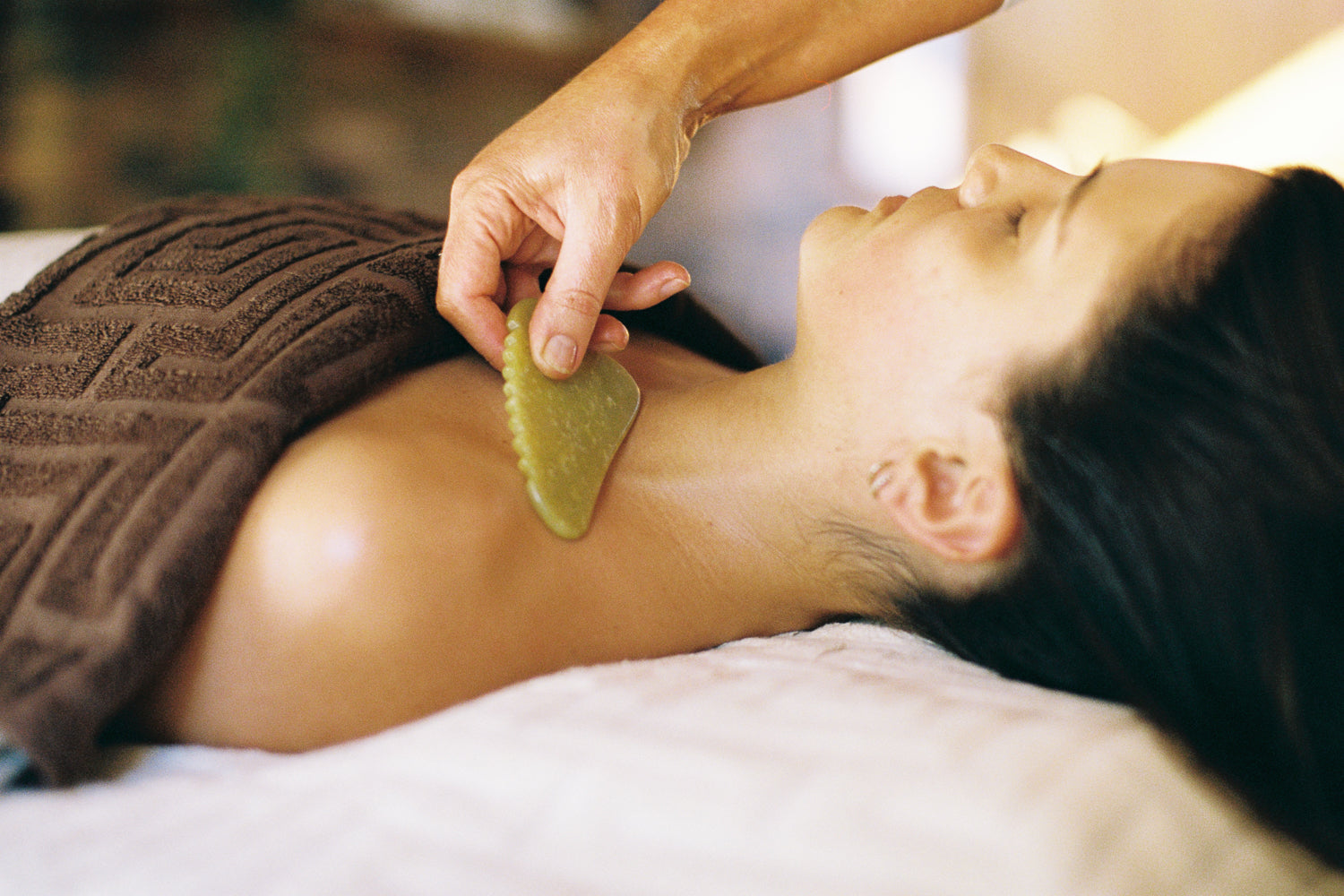
Skin ecology education
A calm guide to what the skin microbiome is, how it relates to the barrier, why "microbiome balancing" claims need caution, and how Her Solis keeps product and facial advice conservative.

Definition
The skin microbiome is the community of microorganisms that live on and around the skin surface, including bacteria, fungi and viruses. It changes by body site, oiliness, moisture, age, environment, cleansing habits, health history and the condition of the skin barrier.
Current evidence suggests these organisms are part of the skin's wider ecology. They interact with the physical barrier, immune signalling, surface pH and the environment. That does not mean every skin concern is a microbiome problem, and it does not mean a cosmetic product can guarantee a healthier microbiome.
At Her Solis, microbiome education sits under Skin Barrier Repair. It is useful because it encourages respect for the skin as a living surface, not because it gives a shortcut diagnosis. If you are unclear on the difference between these two connected concepts, start with Skin Barrier vs Skin Microbiome. If your main concern is burning, flushing or low tolerance, read Sensitive Skin Barrier Support. If acne, rosacea or mouth-area rash patterns are present, start with Acne and Skin Barrier Support, Rosacea Sensitive Skin Support or Perioral Dermatitis Support before treating routine advice as medical care.
What matters
The microbiome and barrier are linked, so harsh cleansing, over-exfoliation and irritation matter more than trend language.
The skin surface is dynamic. It cannot be reduced to one "good" or "bad" microbe story.
Microbiome-friendly, prebiotic and postbiotic skincare claims should be read cautiously unless the formula and evidence are clear.
Persistent rashes, infection, acne, rosacea or dermatitis patterns need appropriate medical or dermatology advice.
Her Solis approach
Microbiome-aware care at Her Solis is mostly practical. It means less unnecessary stripping, less constant product switching, more attention to barrier tolerance, and a slower facial pace when the skin is already inflamed or easily triggered.
For some clients, that means a holistic facial with minimal stimulation and careful product choice. For others, it means beginning with gentle facial lymphatic drainage if puffiness and heaviness are present but the skin is not ready for stronger massage or tools. If stress, poor sleep and reactivity overlap, Nervous System and Skin gives the broader Her Solis framework.
It also means not over-reading the gut-skin conversation. The Gut-Skin Connection article is useful editorial context, but digestive symptoms, medical nutrition, supplements and skin disease management belong with qualified clinicians.
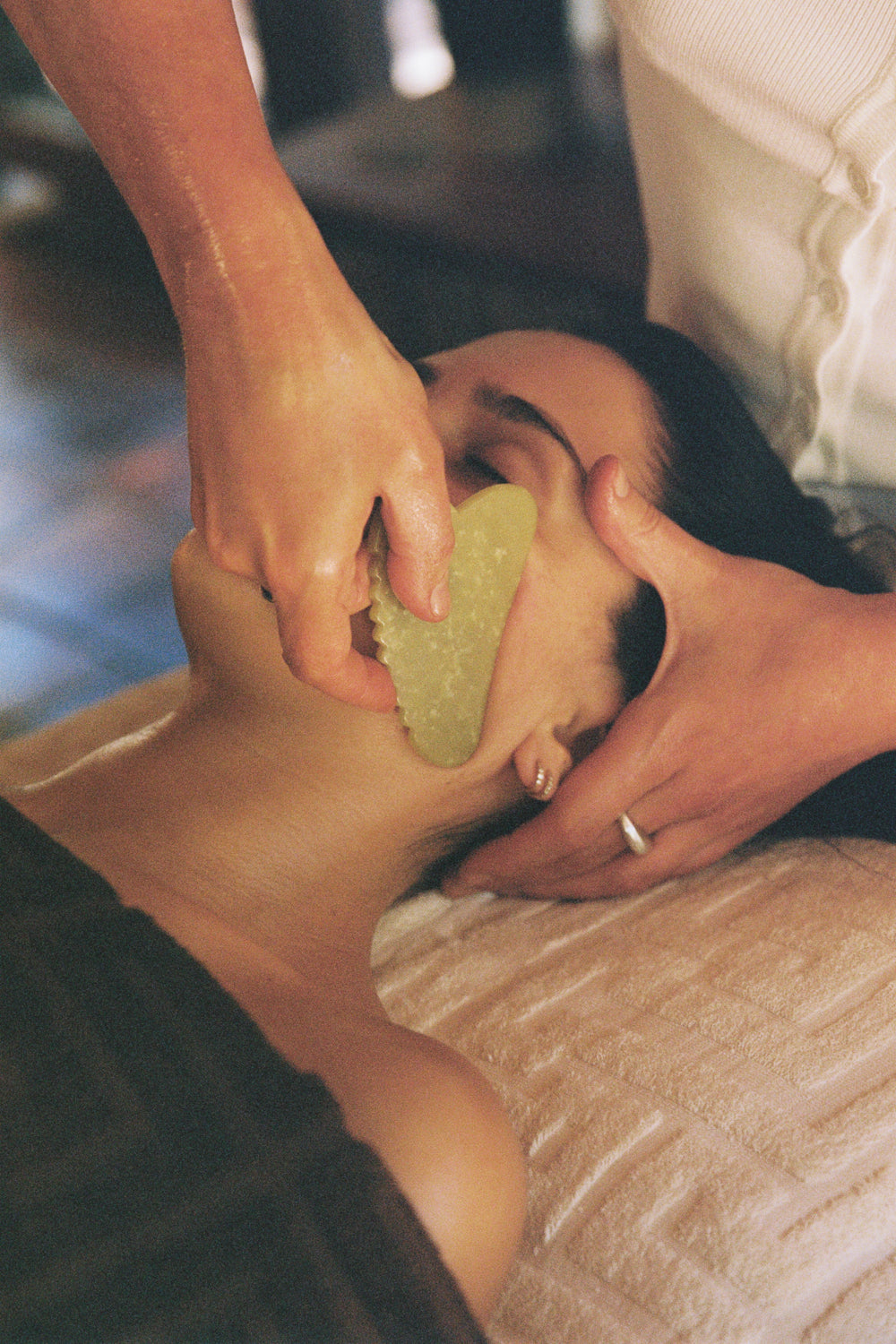
Product pathways
The safest product pathway is not to chase microbiome claims in isolation. Start with barrier tolerance, then look at formula role and skin history. Her Solis product education already points users into calmer cleansing, lipid support and conservative ingredient literacy.
Evidence and limits
Research describes the skin microbiome as part of the skin's protective ecosystem. Reviews discuss relationships between resident microbes, barrier integrity, immune signalling, pH and inflammatory skin conditions. Current evidence supports the concept that the microbiome matters for skin ecology.
The limits are just as important. Microbiome research is still developing, and consumer claims often simplify a complex system into "balance", "good bacteria" or single-product promises. Her Solis does not claim to diagnose dysbiosis, test the skin microbiome, treat skin disease, or repair the microbiome with a facial.
The practical takeaway is conservative: protect tolerance, avoid unnecessary disruption, use formulas thoughtfully, and refer persistent or medical skin concerns to the right clinician.
Safety boundaries
Acne, rosacea, dermatitis, eczema, infection, persistent rashes, painful skin or symptoms affecting the eyes should be discussed with a GP, pharmacist, dermatologist or relevant clinician.
Diet, supplements, digestive symptoms and systemic health questions can sit beside skin conversations, but they should not be handled as beauty advice or facial-treatment promises.
A product can use microbiome language and still irritate a particular person. Patch testing, allergy history, fragrance tolerance and dermatology advice still matter.
Gold Coast context
Her Solis is a private studio in Currumbin Waters on the Gold Coast. Clients travel from Palm Beach, Burleigh Heads, Tugun, Elanora, Robina, Varsity Lakes and nearby suburbs when they want skin support that is calmer, slower and less trend-led.
Use this page for microbiome context, Skin Barrier Repair for the broader routine framework, and Sensitive Skin Barrier Support if the face is burning, stinging or flushing. If you already know you want a consultation-led facial, book directly or send a question first.
FAQs
The skin microbiome is the community of microorganisms that live on and around the skin surface, including bacteria, fungi and viruses. It is part of the skin's wider ecology.
No. They are different but connected. The barrier is the physical and chemical protective system; the microbiome is the resident microbial community that interacts with that system.
Some formulas are marketed as microbiome-friendly, but balance claims should be read cautiously. Current evidence supports the importance of the microbiome, but product-specific claims need formula-specific evidence.
No. Her Solis does not diagnose dysbiosis, test the microbiome or treat skin disease. We use microbiome education to support conservative skincare and facial decisions.
Gut-skin research is developing, but it should not be reduced to simple beauty claims. Digestive symptoms, nutrition plans and supplements belong with qualified health professionals.
Read Skin Barrier Repair for routine tolerance, Sensitive Skin Barrier Support for reactive skin, and the Gut-Skin Connection article for conservative editorial context.