Skin Barrier
A physical and chemical protective system. It is most relevant when skin is dry, tight, stingy, flaky, reactive or less tolerant of products.


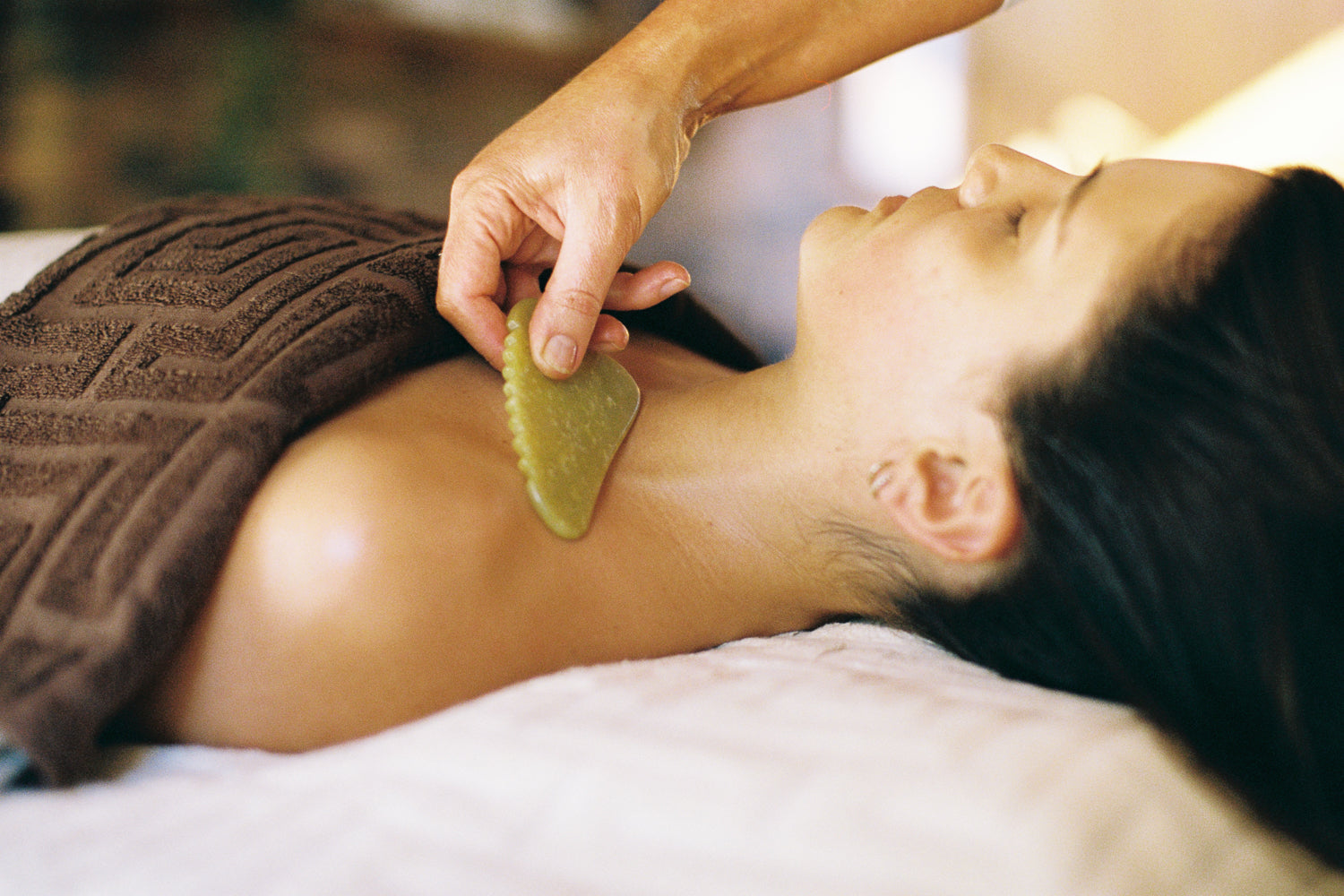
Skin education
The skin barrier and microbiome are connected, but they are not the same thing. This guide helps you understand the difference, make sense of skincare claims, and choose a calmer next step.

The short answer
The skin barrier is the skin's outer protective system. It includes the outer epidermal layers, lipids, surface chemistry and the practical ability to hold water, tolerate products and meet the environment without becoming easily irritated.
The skin microbiome is the community of microorganisms living on and around the skin surface, including bacteria, fungi and viruses. It is part of the skin's ecology and interacts with the barrier, surface pH and immune signalling.
They affect one another, but neither is a shortcut explanation for every breakout, flare, sting or rash. If your skin feels tight, hot or easily overwhelmed, the Skin Barrier Repair guide is usually the more useful starting point. If you are trying to understand "microbiome-friendly" skincare claims, continue to Skin Microbiome.
At a glance
A physical and chemical protective system. It is most relevant when skin is dry, tight, stingy, flaky, reactive or less tolerant of products.
A dynamic resident microbial community. It is most useful as a lens for skin ecology, not as a diagnosis or a promise that a product can "balance" the skin.
Harsh cleansing, unnecessary exfoliation, irritation and product overload can disturb a skin environment that is already struggling.
Persistent redness, acne, dermatitis, infection, painful swelling or a changing rash still need appropriate medical or dermatology assessment.
A practical decision
Start with Skin Barrier Repair when the immediate question is comfort and tolerance: stinging, tightness, dryness, flaking, flushing after products, over-cleansing or a routine that feels like too much. It gives the practical first layer for calmer skincare and facial pacing.
Start with Skin Microbiome when you want to understand the science and limits behind microbiome language, prebiotic or postbiotic marketing, and the relationship between the skin surface, barrier and gut-skin claims.
Start with Sensitive Skin Barrier Support when burning, flushing, heat or low tolerance is the lived experience. If stress, poor sleep or facial holding seem to change tolerance, Stress and Skin Reactivity is the relevant bridge. These pages are complementary education, not a diagnosis.
Care without the hype
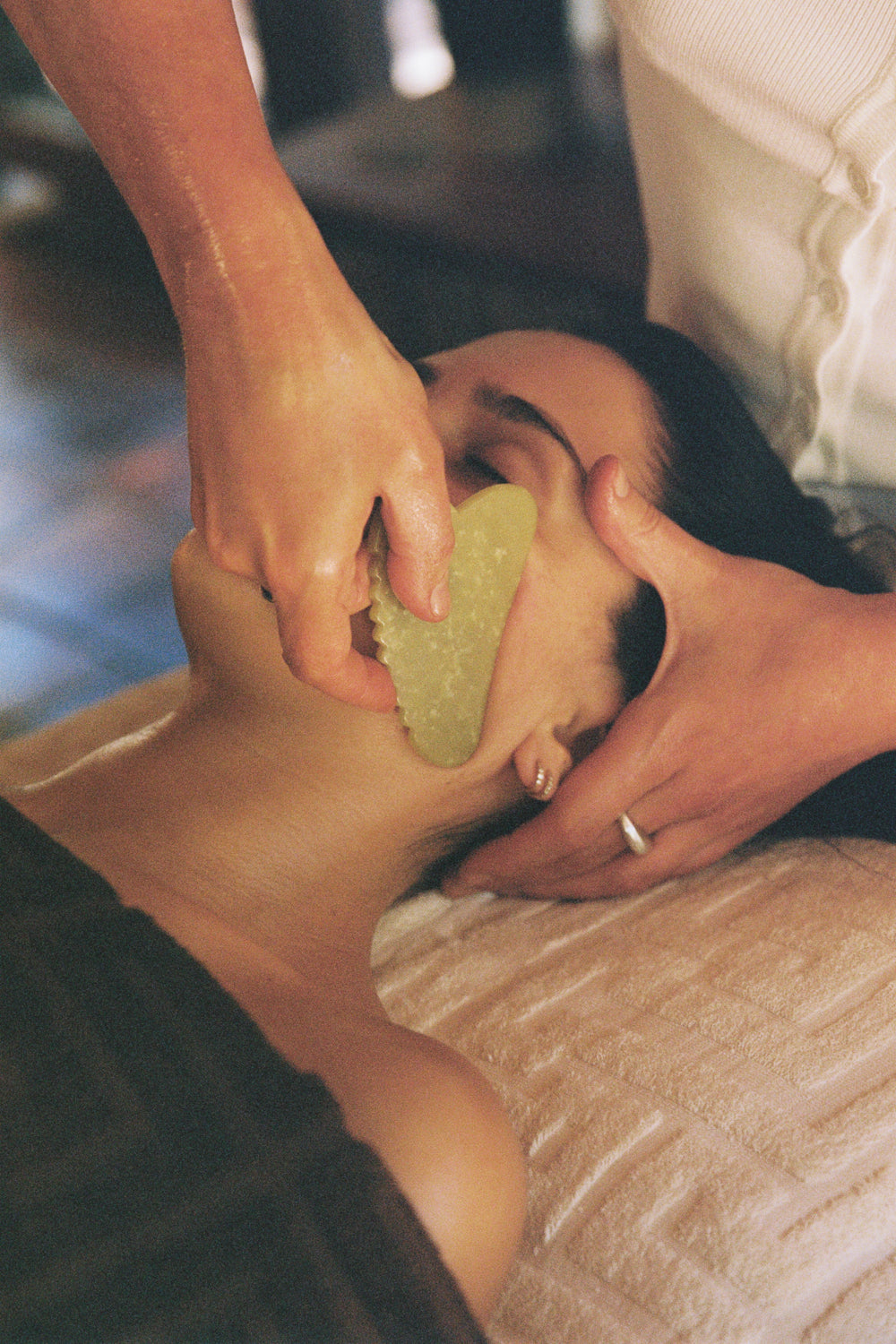
Her Solis does not diagnose microbiome imbalance, test the skin microbiome, prescribe a medical skin plan or promise to repair the barrier with a facial. We use these concepts to make treatment and product choices less aggressive, more considered and more responsive to what the skin can tolerate.
That can mean fewer products, lower stimulation, a slower pace, gentler cleansing, careful tool selection and a clear referral boundary. A Holistic Facial or a consultation-led booking can be appropriate for some people; others should begin with clinical care. Acne, rosacea and mouth-area rash patterns each have dedicated starting points: Acne and Skin Barrier Support, Rosacea Sensitive Skin Support and Perioral Dermatitis Support.
Evidence and limits
Current evidence strongly supports the importance of skin-barrier function in water loss, irritation tolerance and protection from the environment. Research also suggests the microbiome and barrier interact as part of skin ecology. That relationship is real, but consumer skincare language often runs ahead of formula-specific evidence.
More high-quality research is needed to translate microbiome science into clear, reliable outcomes for individual cosmetic products and routines. The practical takeaway remains modest: protect skin tolerance, avoid unnecessary disruption, and do not let a fashionable claim delay the right clinical care.
FAQs
No. The barrier is the skin's physical and chemical protective system. The microbiome is the community of microorganisms living on and around the skin surface. They are connected but not interchangeable.
If skin is uncomfortable or reactive, practical barrier-first care is generally the clearer starting point: simplify, reduce unnecessary irritation and consider tolerance. Microbiome marketing should not be treated as a diagnosis or a guarantee.
No. Her Solis does not claim that a facial repairs the barrier or microbiome. A calmer facial approach may be appropriate for some people, but persistent or medical skin concerns need clinical advice.
Gut-skin research is developing, but it does not support simple beauty claims. Digestive symptoms, nutrition plans, supplements and systemic health questions belong with qualified health professionals.
Read Skin Barrier Repair for practical routine tolerance, Skin Microbiome for ecology and claim limits, or Sensitive Skin Barrier Support if reactivity is the main concern.