Painful or Cystic Acne
Deep, painful, nodular or cystic acne can scar and should be assessed by a GP or dermatologist rather than managed through facials alone.


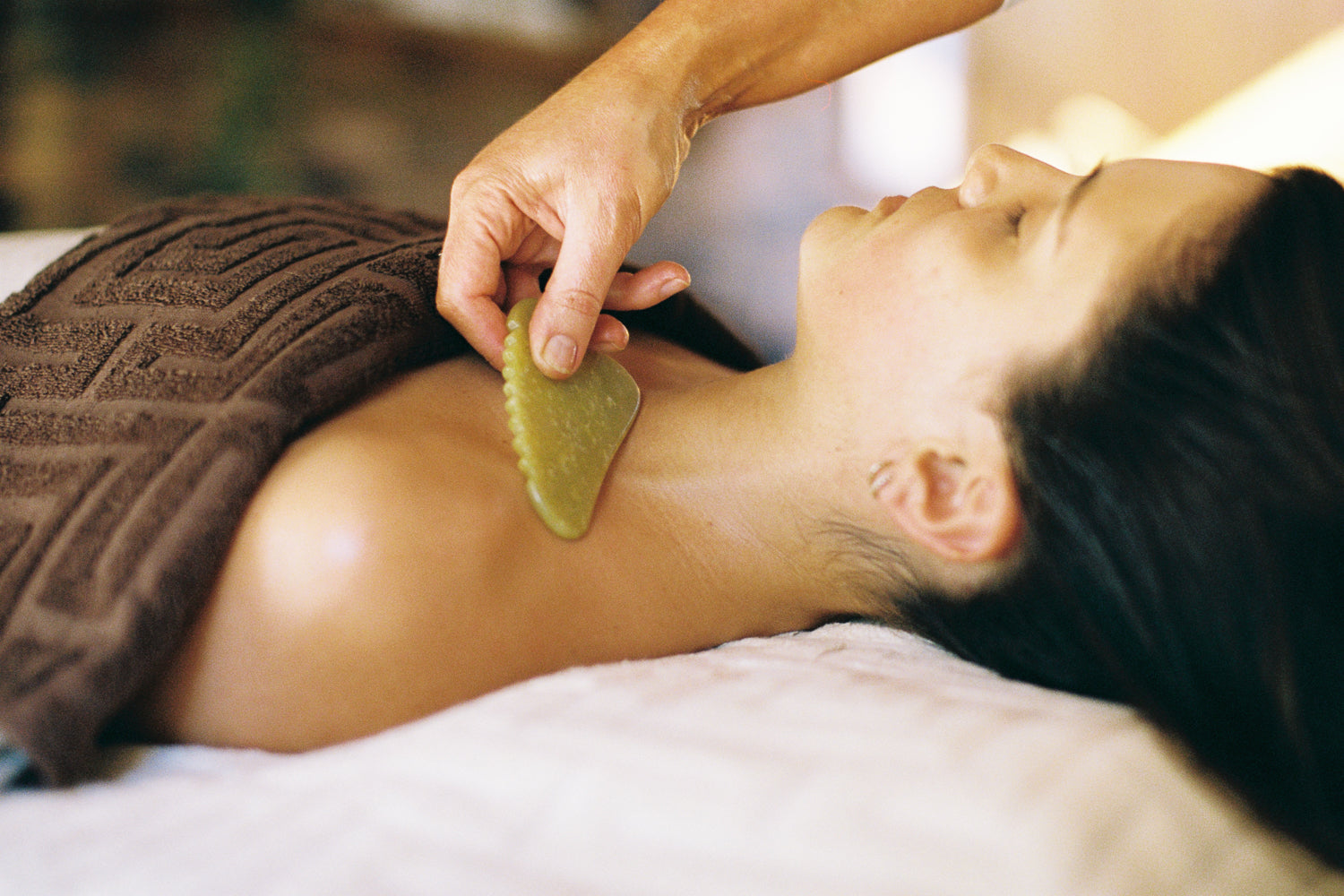
Gold Coast skin education
A conservative guide for acne-prone skin, barrier disruption and facial care decisions, with clear boundaries around when evidence-based acne treatment and medical advice should come first.
Start here
Acne is a common skin condition involving blocked follicles, oil, dead skin cells, inflammation and sometimes bacteria. It can show up as blackheads, whiteheads, papules, pustules, nodules or cysts, and it may affect the face, chest, back or shoulders.
Her Solis does not diagnose or treat acne. This page explains how barrier-aware skin care and conservative facial planning may support comfort and tolerance while appropriate acne treatment is handled by a GP, dermatologist or pharmacist when needed.
Barrier branch
It is common for acne-prone skin to be treated as if it needs more stripping, more exfoliation and more correction. In practice, over-cleansing, scrubs, strong actives layered too quickly, heat, friction and constant product changes can leave the barrier feeling tight, stingy and less tolerant.
That is why this page belongs under Skin Barrier Repair and beside Sensitive Skin Barrier Support. Barrier support is not acne treatment, but it can reduce avoidable irritation while proper acne care is considered.

At Her Solis
An acne-aware facial at Her Solis is not positioned as a breakout-clearing treatment. We focus on what is sensible on the day: avoiding aggressive extraction claims, reducing unnecessary irritation, choosing calm cleansing, keeping heat low, and adapting pressure when skin is inflamed or tender.
If acne is not active but the skin feels congested, stressed or barrier-impaired, a holistic facial may be modified carefully. If puffiness, stress load or facial holding is part of the picture, related pages such as Facial Lymphatic Drainage Gold Coast and Nervous System and Skin can help explain the wider treatment map without replacing acne care.
Referral first
Deep, painful, nodular or cystic acne can scar and should be assessed by a GP or dermatologist rather than managed through facials alone.
Early medical care matters when acne is leaving scars, persistent marks or significant post-inflammatory pigment change.
If you use retinoids, benzoyl peroxide, antibiotics, isotretinoin, hormonal medication or pregnancy-related care, ask your practitioner how facial care fits.
Gold Coast context
On the Gold Coast, sunscreen, sweat, heat, outdoor routines and humidity can make acne-prone skin feel harder to balance. The answer is not always more cleansing or stronger exfoliation. Often the better first question is what the skin can tolerate consistently.
Her Solis is based in Currumbin Waters. If you are unsure whether your skin is suitable for a facial while acne is inflamed, painful or medically treated, contact the studio first and consider medical advice before booking.
Evidence notes
Public dermatology guidance describes acne as a medical skin condition with treatment options that may include topical therapies, antibiotics, hormonal approaches or isotretinoin depending on severity. Reviews also discuss skin-barrier impairment in acne and acne treatment, which supports gentle barrier-aware skin care as an adjunctive idea, not a replacement for treatment.
Useful clinical references include the NHS acne overview, NIAMS acne overview, and the American Academy of Dermatology acne resource centre.
FAQ
No. Acne is a medical skin condition and should be managed with appropriate clinical advice when persistent, painful, scarring, severe or distressing. Her Solis can offer barrier-aware skincare education and conservative facial-care boundaries only.
Her Solis does not promise to clear breakouts. A facial may be modified to reduce avoidable irritation and support skin comfort, but active acne treatment belongs with qualified health professionals.
No. Acne-prone skin can also be dry, sensitive, irritated or barrier-impaired, especially when strong actives or prescriptions are used too quickly or without enough support.
Not automatically. Over-exfoliation can worsen irritation and reduce tolerance. Ask a practitioner how exfoliation fits with any acne treatment you already use.
Seek medical advice for painful, cystic, nodular, scarring, persistent, widespread or emotionally distressing acne, or if you are pregnant, using prescription treatment, or unsure whether it is acne.