Buccal Massage
A technique that may include intraoral cheek work with clear consent. It can be useful for specific deep cheek or masseter tension, but it is not automatically appropriate for every jaw symptom.


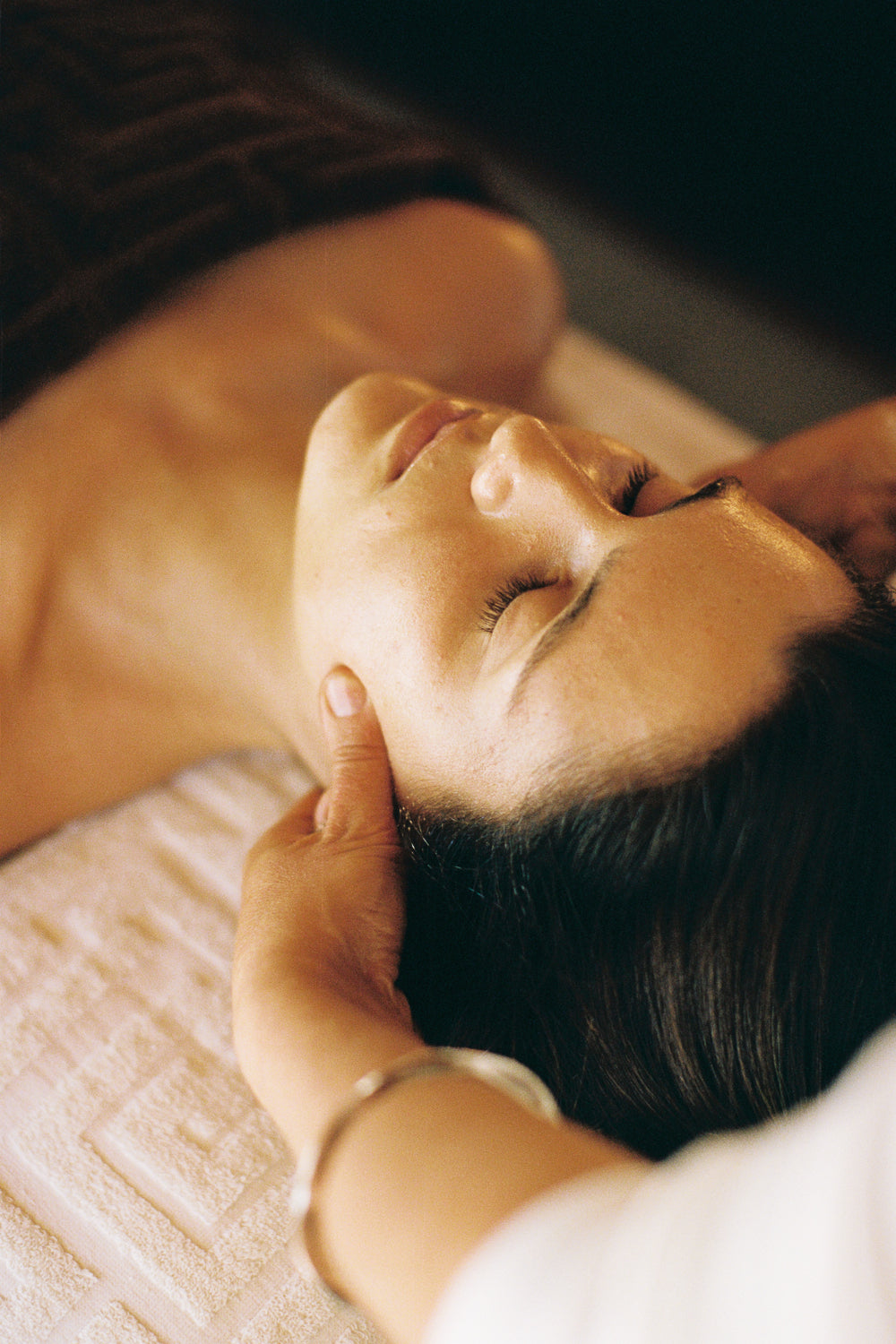
Treatment comparison
Both can sit inside jaw-aware facial work, but they answer different questions. Buccal massage is a specific intraoral or cheek-focused technique. A TMJ facial is the broader treatment pathway for clenching, temple pressure, facial guarding and jaw-system tension.
Quick answer
Buccal massage may suit deep cheek, masseter and lower-face tension when intraoral work is welcome, consented and appropriate for the tissue. It is more specific, but not always the safest first step. Read Buccal Massage Contraindications before choosing intraoral work.
TMJ facial work is the broader route when clenching, grinding, temple pressure, neck load, stress holding, joint symptoms or nervous-system guarding are part of the picture.
If you are unsure, start with Jaw Tension Support. If pain, locking, bite change, trauma, infection, major opening restriction or dental symptoms are present, dental or medical assessment comes before facial treatment planning.
Decision table
| Question | Buccal massage | TMJ facial | Often better first |
|---|---|---|---|
| Main focus | Deep cheek, masseter and intraoral soft-tissue specificity. | Broader jaw, temple, neck, nervous-system and treatment-planning support. | Jaw Tension Support if the pattern is unclear. |
| Best for | Dense cheek tension, clenching-related masseter load or a lower face that feels guarded. | Clenching, grinding, temple pressure, cheek fatigue, neck load or mixed jaw-system symptoms. | Masseter and temporalis guides for anatomy context. |
| When to be cautious | Mouth discomfort, recent dental work, infection risk, severe tenderness, poor consent fit or jaw opening restriction. | Locking, sudden bite change, severe pain, acute dental symptoms, trauma or progressive symptoms. | Dental, GP, physiotherapy or allied-health assessment for red flags. |
| Puffiness or heaviness | Not automatically first. Deep pressure may be too much when tissue feels fluid-heavy. | May begin with slower neck, clavicle and lymphatic support before jaw work. If suction is being considered around the jaw, read Facial Cupping for TMJ and Jaw Tension. | Facial Lymphatic Drainage Gold Coast. |
| Conversion path | Buccal Lymphatic Facial when intraoral specificity is the right fit. | TMJ Facial when the jaw pattern needs broader support. | The Custom Facial if multiple concerns overlap. |
This table is educational. It does not diagnose temporomandibular disorders, dental conditions, headaches, swelling or pain syndromes.
How they differ
A technique that may include intraoral cheek work with clear consent. It can be useful for specific deep cheek or masseter tension, but it is not automatically appropriate for every jaw symptom.
A treatment direction that may include external jaw, neck, temple, scalp, lymphatic and nervous-system-informed pacing. Buccal work may be included, but it is not mandatory.
The symptom-led bridge. It helps decide whether the next step is TMJ support, buccal massage, lymphatic drainage, facial cupping for jaw tension, ear seeds, or clinical assessment.

In studio
A jaw-aware treatment begins with what the face can receive that day. Recent dental work, jaw locking, mouth-opening restriction, tenderness, injectables, skin reactivity, infection risk, stress load and the client's comfort with intraoral work all change the plan.
Some sessions use buccal massage. Some stay fully external. Some begin with facial lymphatic drainage, neck and clavicle work, nervous-system-informed pacing or gentler facial treatment before the jaw is approached directly.
The decision is practical: support comfort, tissue softness and body awareness without implying diagnosis, cure, bite correction or treatment of every temporomandibular disorder presentation.
Safety boundaries
Evidence and limits
Temporomandibular disorders are a group of conditions involving the jaw joint, muscles and related tissues. National Academies and clinical references describe TMDs as complex and varied, so a facial treatment page should not make broad treatment claims.
Current research suggests some manual therapy, intraoral myofascial work, exercise, education and self-management approaches may support pain, mouth opening or function for some people. Evidence quality and applicability vary, and results should not be translated into guaranteed outcomes for a branded facial service.
Her Solis keeps the claim narrower: buccal and TMJ-aware facial work may support comfort, tissue softness, body awareness and relaxation for some people, especially where the pattern is muscular or stress-related. It does not replace dental, medical, physiotherapy or allied-health care.
Last reviewed: 4 July 2026. Author: Her Solis.
FAQs
No. Buccal massage is a technique that may include intraoral cheek work. A TMJ facial is a broader jaw-aware treatment pathway that may or may not include buccal work.
If you want specific cheek and masseter work and intraoral contact feels appropriate, buccal massage may fit. If the pattern includes clenching, temple pressure, neck load, headaches, jaw fatigue or uncertainty, start with the TMJ facial pathway.
It may support comfort for some people with muscular cheek or jaw tension, but it does not diagnose or treat temporomandibular disorders. Persistent symptoms need appropriate clinical assessment.
No. Some TMJ-focused sessions stay fully external and work through the neck, temples, cheeks, scalp, lymphatic pathways and nervous-system pacing.
TMJ facial support is usually the better first map for clenching because it considers masseter, temporalis, neck, stress load, dental history and red flags. Buccal work may be added if deep cheek tension is a clear fit.
Avoid booking facial treatment as the first step for jaw locking, sudden bite change, acute dental pain, infection, trauma, severe or worsening pain, major opening restriction, unexplained swelling or neurological symptoms.