Congratulations! Your order qualifies for free shipping You are $100.00 AUD away from free shipping.

Cart 0

Congratulations! Your order qualifies for free shipping You are $100.00 AUD away from free shipping.
Sorry, looks like we don't have enough of this product.

Pair with
Is this a gift?
Subtotal Free
View cart
Shipping, taxes, and discount codes are calculated at checkout
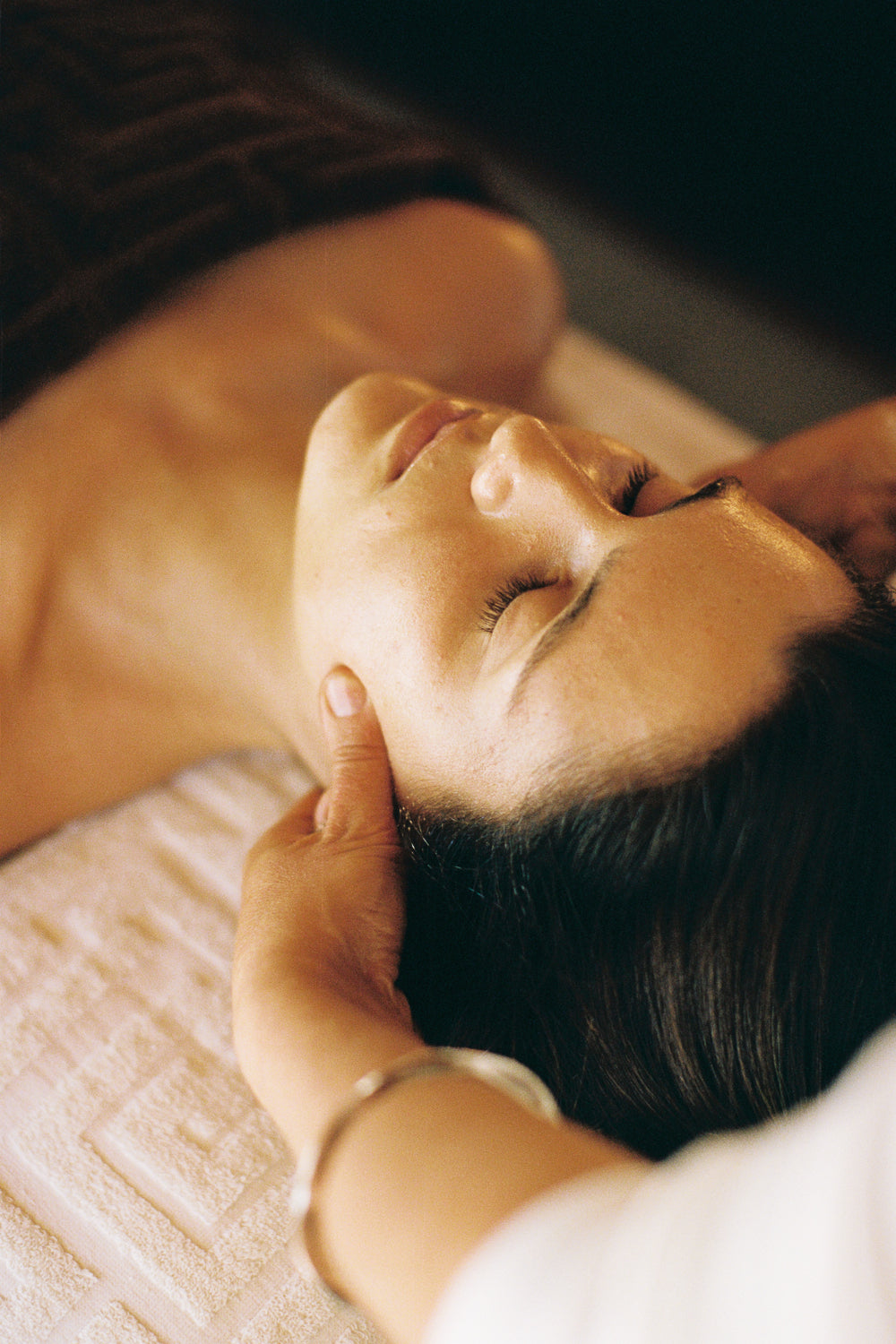
Facial cupping treatment at Her Solis Gold Coast

Currumbin Waters studio

Facial Cupping Gold Coast

A gentle, traditional technique used to support circulation, lymphatic flow, facial tension and naturally healthy skin.

At Her Solis, facial cupping is used with restraint: never as a harsh sculpting shortcut, always as one considered tool within a calm facial practice shaped around your skin, jaw, lymphatic flow and nervous system.

The practice

What Is Facial Cupping?

Facial cupping is a gentle form of cupping therapy adapted for the face, neck and decolletage. Cupping has a long history across Traditional Chinese Medicine and other traditional healing systems, where cups were used to create negative pressure on the skin. Body cupping is often stronger and may leave visible circular marks. Facial cupping should be much lighter, continuously moving and carefully adapted to delicate facial tissue.

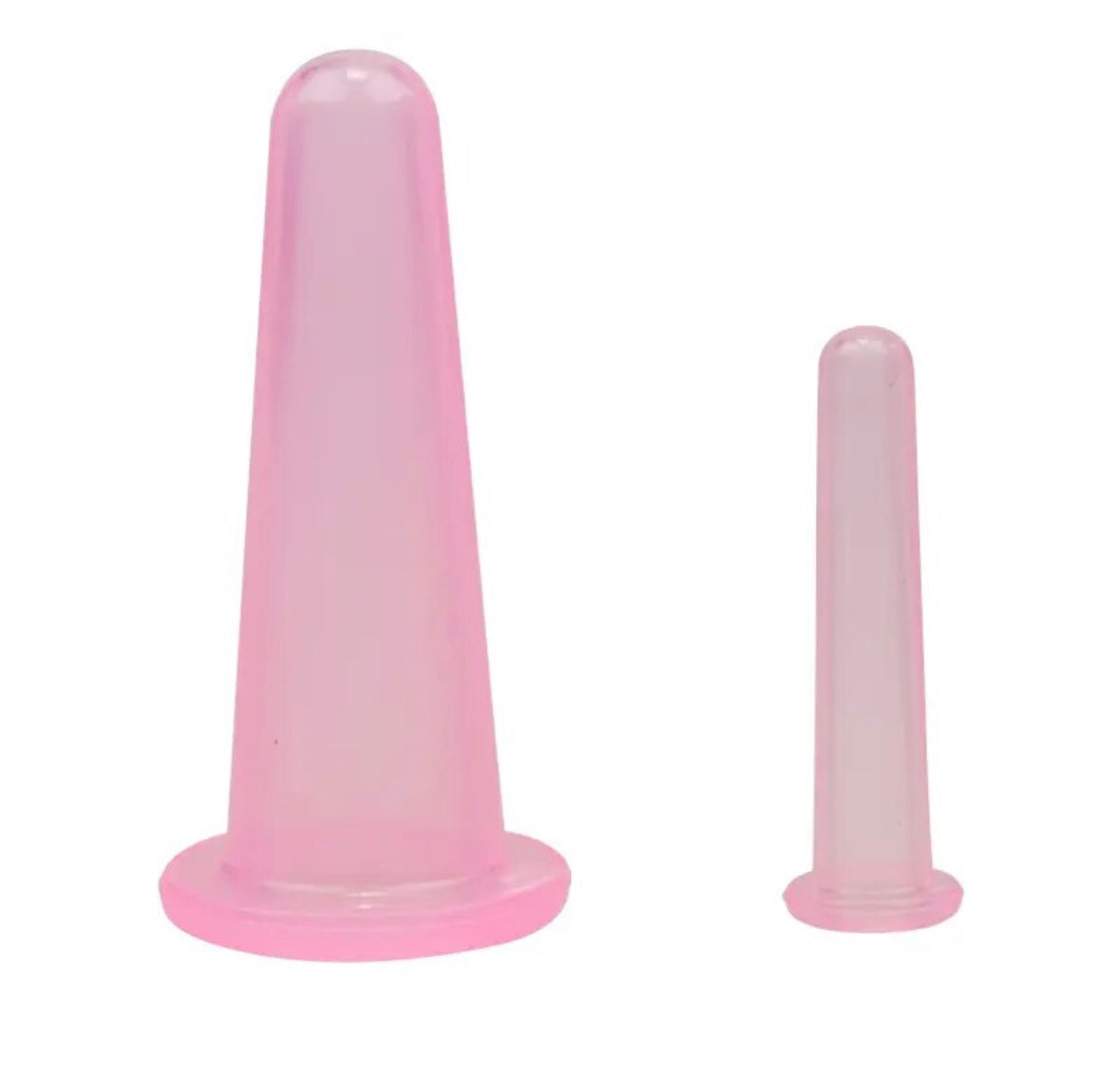
Modern face cupping usually uses small silicone cups rather than glass or fire cups. The cup is softly compressed, placed on lubricated skin, and moved in slow strokes. This creates gentle negative pressure that lifts the skin and superficial tissues without dragging or bruising. When performed correctly on the face, facial cupping should not leave dark marks. Redness that settles quickly can be normal; bruising is a sign that the pressure, duration or technique was too strong.

People often search for facial cupping therapy because they want support for puffiness, jaw tension, sinus heaviness, dullness or a face that feels tight and held. At Her Solis, the technique is used conservatively. It is not presented as a cure, a replacement for medical care, or a way to force the skin into change. It is a way of working with circulation, lymphatic rhythm, connective tissue and facial awareness while respecting the skin barrier.

Facial cupping movement illustration

Facial cups are moved across lubricated skin. They are not left stationary on the face.

Mechanisms

How Facial Cupping Works

The cup creates a small vacuum. This negative pressure gently lifts the skin and superficial fascia, creating a different stimulus from massage, which generally presses downward. The movement may influence microcirculation, fluid movement and the glide of connective tissue, especially when the face feels congested, puffy or restricted.

Current understanding suggests several overlapping mechanisms. Cupping may increase local blood flow, change pressure in superficial tissues, stimulate sensory nerves and support relaxation through slow, repetitive touch. When used along the neck, jaw and cheeks, it may also complement manual lymphatic techniques by encouraging fluid to move toward drainage pathways.

Facial cupping is not deep tissue work. The face is highly vascular, expressive and responsive. The aim is not to pull hard or chase a dramatic sensation. The aim is enough movement to invite circulation, skin oxygenation, tissue glide and facial muscle release while keeping the nervous system calm.

Common intentions

Potential Facial Cupping Benefits

Facial Puffiness

Facial cupping may support puffiness when fluid feels held around the cheeks, jaw or under-eye area. The work is always light and usually begins with the neck so the face has somewhere to drain. It is most useful when paired with hydration, sleep and lymphatic massage.

Fluid Retention

Fluid retention can be influenced by sleep, hormones, salt, travel, inflammation and stress. Cupping does not force fluid out of the face, but gentle movement may support the body's natural fluid rhythm when the tissue feels heavy or stagnant. Clients wanting a gentler, manual-first option can read our Facial Lymphatic Drainage Gold Coast guide.

Lymphatic Support

Lymphatic facial cupping can complement manual lymphatic drainage by using soft suction and movement rather than pressure alone. The technique is slow, directional and never aggressive, especially around the eyes, jawline and neck. We explain that fluid-first treatment logic in more detail on the Facial Lymphatic Drainage Gold Coast page.

Jaw Tension

For jaw tension, cupping may be used around the masseter, cheek, temples and neck to soften surrounding tissues. It is not a dental treatment, but it can work well beside the TMJ Facial when clenching is part of the picture.

TMJ

Facial cupping for TMJ is best understood as supportive care for nearby soft tissue. It may help bring awareness to holding patterns and encourage relaxation around the jaw. Persistent TMJ pain, locking or bite changes should be assessed by a dentist or appropriate practitioner.

Sinus Congestion

When the face feels congested or heavy, very gentle cupping may be used across the cheeks and around the nasal area, avoiding direct pressure on irritated skin. It can feel relieving, though it should not replace medical care for infection, chronic sinus issues or allergy management.

Facial Tightness

A tight face can come from stress, expression patterns, jaw clenching, posture and skin dehydration. Facial cupping may support tissue glide and give the face a sense of space, particularly when used after massage has warmed and prepared the skin.

Healthy Skin Glow

Many people notice a temporary glow after facial cupping because the skin has been warmed, moved and supported with circulation. We frame this as a sign of fresh blood flow and attention, not as a promise of permanent skin transformation.

Stress Relief

The pace of facial cupping matters. Slow, repetitive touch can be deeply regulating, especially when paired with breath and a quiet treatment room. The benefit is often less about the cup itself and more about the body feeling safe enough to soften.

Facial Mobility

Facial muscles are constantly used for expression, speaking, chewing and holding emotion. Gentle cupping may support mobility in superficial tissues, making the face feel less fixed or compressed after periods of stress or clenching.

Posture Awareness

The jaw, neck and chest often speak to each other. Cupping around the lower face and neck may help clients notice how forward-head posture, shoulder tension and breathing patterns influence the face.

Relaxation

Facial cupping can be quietly meditative when used with enough oil, light pressure and a slow hand. The intention is to leave the skin supported and the body settled, not stimulated, overwhelmed or marked.

Lymphatic rhythm

Facial Cupping and the Lymphatic System

Lymphatic fluid carries immune cells, proteins, cellular waste and excess fluid through a one-way network of vessels. Unlike blood, it does not have a central pump. It relies on movement, breathing, muscle contraction, pressure changes and healthy tissue rhythm. This is why facial puffiness can be more noticeable after poor sleep, stress, alcohol, salty meals, long flights or inflammation.

The neck matters first. Much of the face drains through pathways around the jaw, ears, sides of the neck and collarbones. If the neck and chest are tight, guarded or not moving well, working only on the cheeks is incomplete. At Her Solis, lymphatic opening usually begins through the neck, clavicle and jaw before facial cupping is introduced.

Cupping can complement manual lymphatic techniques because it creates lift and movement while the hands guide direction. It is not a stronger version of lymphatic drainage; it is a different texture of support. The work remains light, rhythmic and responsive to the skin.

Private Her Solis studio in Currumbin Waters on the Gold Coast

Jaw and facial release

Facial Cupping and TMJ

Jaw tension rarely belongs only to the jaw. Clenching and grinding can involve the masseter, temporalis, pterygoids, neck, tongue posture, breathing patterns and stress response. Some clients feel it as facial tightness, headaches, cheek tension, clicking, tooth sensitivity or a heavy lower face.

Facial cupping may be used around the masseter, cheek, temples and neck to support soft tissue release before or after hands-on TMJ work. It can help create a feeling of space in the surrounding tissues, but it is not used over inflamed, painful or unstable areas. When deeper intraoral work is appropriate, Buccal Facial techniques may be more specific.

For clients who search for facial cupping for jaw tension or facial cupping for TMJ, our recommendation is usually a personalised facial rather than a standalone technique. The TMJ Facial, Lymphatic Facial or Custom Facial may include cupping if the tissue, skin and treatment goal make sense on the day.

Skin health

Facial Cupping and Skin Health

Healthy skin is not created by force. It depends on barrier function, circulation, hydration, immune balance, sleep, nutrition, hormones and the state of the nervous system. Facial cupping can sit within this wider picture by supporting movement and bringing fresh attention to the tissue, but it should never be used to irritate the skin into change.

For sensitive skin, pressure is reduced or cupping may be avoided entirely. For inflamed acne, rosacea flares, broken capillaries or compromised skin barrier, hands-on lymphatic work or simply calming skincare may be more appropriate. The point is not to use every tool. The point is to choose what the skin can receive.

Her Solis prefers working with the skin rather than trying to override it. That means natural, barrier-supporting products, slower technique, and enough space to understand what the skin is communicating. A healthy glow is welcome, but the deeper aim is skin that feels less reactive, less congested and more supported over time.

Evidence informed

The Science Behind Facial Cupping

Research on facial cupping specifically is limited, so the most responsible reading comes from related areas: cupping therapy, negative pressure, facial massage, microcirculation, manual therapy for jaw-related pain, and lymphatic movement. Current evidence suggests cupping can influence local blood flow and pain outcomes in some settings, but the quality of evidence varies.

Studies on cupping pressure and duration indicate that negative pressure can increase skin blood flow, with stronger pressures creating greater vascular response. This does not mean stronger is better for the face. Facial tissue is more delicate than the back or limbs, and the Her Solis approach is intentionally lighter, moving and non-marking.

Evidence mapping of cupping for pain has found very low to moderate-quality evidence across conditions such as neck pain, low back pain and knee osteoarthritis, with no high-quality evidence across the reviewed pain outcomes. This supports a cautious position: cupping may be useful, but it should not be overstated or framed as a guaranteed clinical treatment.

Facial massage research is also relevant. Small studies suggest facial massage may influence blood flow, tissue mobility and perceived facial changes, but many studies are preliminary, small or not specific to cupping. For TMJ and jaw tension, manual therapy research indicates soft tissue approaches may support some people with myofascial pain, though outcomes vary and dental or medical assessment remains important for persistent symptoms.

The clearest conclusion is conservative. Facial cupping is a traditional technique with plausible mechanisms around microcirculation, superficial fascia, sensory input and fluid movement. More high-quality research is needed, especially for facial-specific outcomes. At Her Solis, it is used as complementary care within a broader facial treatment, not as a standalone medical intervention.

  1. NCBI Bookshelf overview of cupping therapy, suction methods and safety considerations.
  2. Evidence-mapping study on cupping therapy for pain outcomes.
  3. Study on negative pressure, cupping duration and skin blood flow.
  4. Pilot study using imaging to evaluate facial massage effects.
  5. Review of manual trigger point therapy for orofacial myofascial pain.

The appointment

What Happens During a Facial Cupping Treatment?

  • Arrival. The treatment begins slowly, with time to settle into the studio and discuss what you are noticing in your skin, jaw, sleep, stress and fluid retention.
  • Consultation. We ask about sensitivity, rosacea, active acne, broken capillaries, recent injectables, pregnancy, medication, medical conditions and what you want from the session.
  • Skin assessment. Your skin barrier, inflammation, congestion and reactivity guide the technique. If facial cupping is not suitable, the treatment is adapted.
  • Lymphatic opening. Work often begins through the neck, collarbones and jaw so lymphatic pathways are prepared before the face is moved.
  • Facial massage. Manual massage warms the tissue, softens the nervous system and gives us information about where the face is holding tension.
  • Facial cupping. Silicone cups are moved over lubricated skin with light pressure. The sensation is a gentle lift and glide, not a pinch or pull.
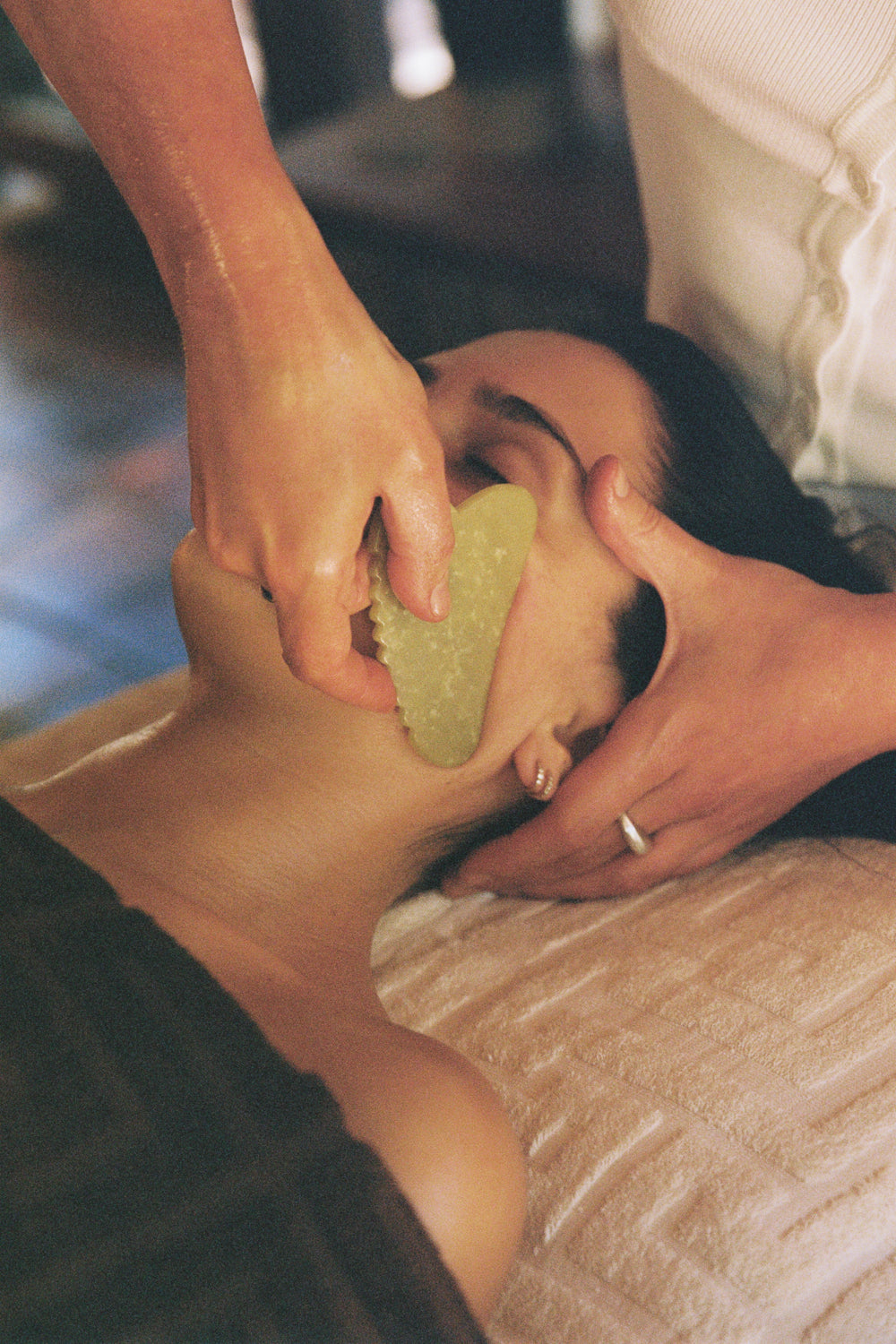
  • Gua sha if appropriate. Gua sha may be used when the skin and treatment goal call for it. It is not automatic and is never forced onto reactive skin.
  • Skincare and home advice. The treatment finishes with natural skincare and simple guidance for hydration, aftercare, home cupping or when to avoid stimulation.

Timing depends on the facial booked. Cupping may be a short focused element within a 60 or 90 minute treatment, or it may not be used at all if your skin needs a calmer approach that day.

Suitability

Is Facial Cupping Safe?

Facial cupping can be safe when it is gentle, moving, well-lubricated and adapted to the skin. It is not suitable for every person or every day. We avoid facial cupping over broken skin, active inflammation, sunburn, bruising, open wounds, cold sores, recent skin procedures, severe sensitivity or areas that feel painful or unstable.

Extra care is needed with rosacea, broken capillaries, active acne, inflammatory skin conditions, blood thinners, clotting disorders, diabetes, autoimmune conditions, cancer treatment, recent surgery and pregnancy. This does not always mean cupping is impossible, but it does mean the treatment needs careful judgement and sometimes practitioner approval.

Recent injectables are a clear consideration. We do not cup over fresh filler or Botox areas. If you have had injectables, please disclose the date, area and product before treatment so the facial can be modified safely. If in doubt, wait and ask your injector or medical practitioner.

Her Solis method

Why Her Solis Uses Facial Cupping

Facial cupping is one technique among many at Her Solis. It may sit beside lymphatic drainage, TMJ work, buccal massage, gua sha, natural skincare and nervous system regulation. It is not included simply because it is popular, and not every client receives it.

The Her Solis philosophy is naturopathic in tone: observe the whole picture, work with the body, and support function rather than forcing a surface result. If the face feels puffy, we consider lymphatic pathways and daily rhythm. If the jaw feels tight, we consider clenching, neck tension and stress. If the skin is inflamed, we choose calm over stimulation.

Facial cupping is chosen only when it supports the treatment plan. For some clients, that means soft movement through the jaw and cheeks. For others, it means no cupping at all and a slower focus on barrier repair, lymphatic massage or touch that helps the nervous system settle. If you are trying to understand when lymphatic work is the better starting point, our Facial Lymphatic Drainage Gold Coast page goes deeper into that decision.

Her Solis Facial Cupping Set for home face cupping rituals

Home ritual

Home Facial Cupping

Home facial cupping can be a useful ritual when it is simple and light. Begin once or twice a week, always on clean skin with enough oil or balm for slip. The cup should glide easily. If the skin drags, flushes deeply, stings or feels hot, stop.

Use less pressure than you think. Keep the cup moving, avoid holding it in one place, and avoid the under-eye area unless you have been taught a safe technique. Work through the neck first, then the jaw, cheeks and forehead in slow lines. More pressure does not mean better results.

Common mistakes include cupping dry skin, using too much suction, working over active acne, cupping immediately after injectables, treating rosacea flares, and chasing a dramatic lifted look. Home cupping should leave the skin fresh and comfortable, not bruised or irritated.

Questions

Frequently Asked Questions

Does facial cupping leave marks?

It should not leave dark circular marks when performed correctly on the face. Mild temporary redness can happen, but bruising usually means the suction was too strong or the cup was held still for too long.

Does facial cupping hurt?

No. The sensation should feel like a gentle lift and glide. It should not pinch, sting or pull sharply. If it does, the pressure should be reduced or the technique stopped.

How often should I have facial cupping?

In studio, it depends on your facial plan. At home, once or twice a week is enough for most people. Sensitive skin may need less frequent treatment or no cupping at all.

Can facial cupping reduce puffiness?

It may help some people feel less puffy by supporting fluid movement and lymphatic rhythm, especially when the neck is worked first. Puffiness can have many causes, so results vary.

Can facial cupping replace Botox?

No. Facial cupping does not work like Botox and should not be compared to an injectable medical treatment. It may support relaxation, circulation and tissue movement, but it does not freeze muscles.

Is facial cupping safe with fillers?

Do not cup over recent filler. Timing depends on the area and your injector's guidance. Always disclose filler before treatment so the facial can be modified safely.

Can I do facial cupping at home?

Yes, if your skin is suitable and you use very light pressure, enough lubrication and moving strokes. Avoid home cupping if your skin is inflamed, bruised, broken or highly reactive.

What oil should I use for facial cupping?

Use a facial oil or balm that gives enough slip and suits your skin. Avoid active exfoliating products, strong essential oils or anything that makes the skin feel hot or sensitised.

Can facial cupping help jaw tension?

It may support release around the jaw and cheeks for some people. For significant TMJ symptoms, it is best used alongside targeted TMJ work and appropriate dental or medical care.

Can I have facial cupping with lymphatic massage?

Yes. Facial cupping often pairs well with lymphatic massage because both work with fluid movement and tissue softness. At Her Solis, the neck is usually prepared first.

Can facial cupping help sinus pressure?

It may feel relieving when facial congestion is mild, but it is not a treatment for infection, chronic sinus disease or allergies. Seek medical care for persistent, painful or recurrent sinus symptoms.

Who should not have facial cupping?

It may be unsuitable for active acne, rosacea flares, broken capillaries, sunburn, bruising, open wounds, fresh injectables, active infections or certain medical conditions. Suitability is assessed before treatment.

Can I have facial cupping during pregnancy?

Pregnancy should always be disclosed. Gentle facial work may be appropriate for some clients, but pressure, positioning and technique are adapted, and certain areas may be avoided.

Is facial cupping evidence based?

Facial-specific research is limited. Related evidence on cupping, massage, blood flow and manual therapy is promising in some areas but variable. We describe facial cupping as evidence-informed complementary care.

How long do facial cupping results last?

The fresh, de-puffed feeling is often temporary and varies with sleep, stress, hydration, hormones and lifestyle. Regular supportive care may help the face feel more mobile and less held over time.

Can I wear makeup afterwards?

It is best to leave the skin clean after treatment if possible. If you need to wear makeup, choose gentle products and avoid heavy exfoliants or active ingredients for the rest of the day.

Can facial cupping cause broken capillaries?

Too much suction or poor technique may aggravate fragile capillaries. If you already have visible capillaries or rosacea, cupping may be avoided or used only with significant caution.

Is facial cupping good for sensitive skin?

Sometimes, but not always. Sensitive skin needs a very gentle approach. If your barrier is impaired or inflamed, calming skincare and manual lymphatic work may be more appropriate.

Can facial cupping help acne?

We do not cup over inflamed acne. For congestion without inflammation, gentle lymphatic work may be considered, but active breakouts usually need a calmer, barrier-focused approach.

What does facial cupping feel like?

Most clients describe it as a soft pulling or gliding sensation. It should feel comfortable, rhythmic and light rather than intense.

How is facial cupping different from body cupping?

Body cupping may use stronger suction and stationary cups that can leave marks. Facial cupping uses smaller silicone cups, more lubrication, lighter suction and continuous movement.

Can facial cupping slim the face?

It may temporarily reduce the appearance of puffiness for some people, but it does not remove fat or permanently reshape the face. We avoid language that promises facial slimming.

Can facial cupping be combined with gua sha?

Yes, when the skin can tolerate it. Gua sha and cupping create different tissue sensations, so they are used selectively rather than automatically together.

Should I drink water after facial cupping?

Hydration is a sensible part of aftercare, especially after lymphatic work. It supports general wellbeing, though it should not be framed as flushing toxins from the face.

Where can I get facial cupping near me on the Gold Coast?

Her Solis offers facial cupping as part of selected holistic facials in Currumbin Waters, close to Currumbin, Palm Beach, Elanora, Tugun, Burleigh Heads and the southern Gold Coast.

Why Her Solis

Why Choose Her Solis for Facial Cupping?

Her Solis is a private studio in Currumbin Waters on the Gold Coast, created for calm, personalised facial work. The experience is quiet and considered, with natural skincare, facial anatomy knowledge, lymphatic expertise, TMJ-focused technique and a strong respect for the nervous system.

For clients searching for facial cupping near me, face cupping Gold Coast or facial cupping Currumbin, Her Solis offers a refined alternative to aggressive sculpting culture. The treatment is never about doing the most. It is about choosing the right amount of support for the person in front of us.

The studio welcomes clients from Currumbin, Palm Beach, Burleigh Heads, Tugun, Coolangatta, Elanora, Robina, Varsity Lakes, Mermaid Beach and across the Gold Coast for lymphatic facials, TMJ work, buccal massage, grounded facial treatments and custom skin support.

  • Currumbin
  • Palm Beach
  • Burleigh Heads
  • Tugun
  • Coolangatta
  • Elanora
  • Robina
  • Varsity Lakes
  • Mermaid Beach
  • Gold Coast