Cheek Heaviness
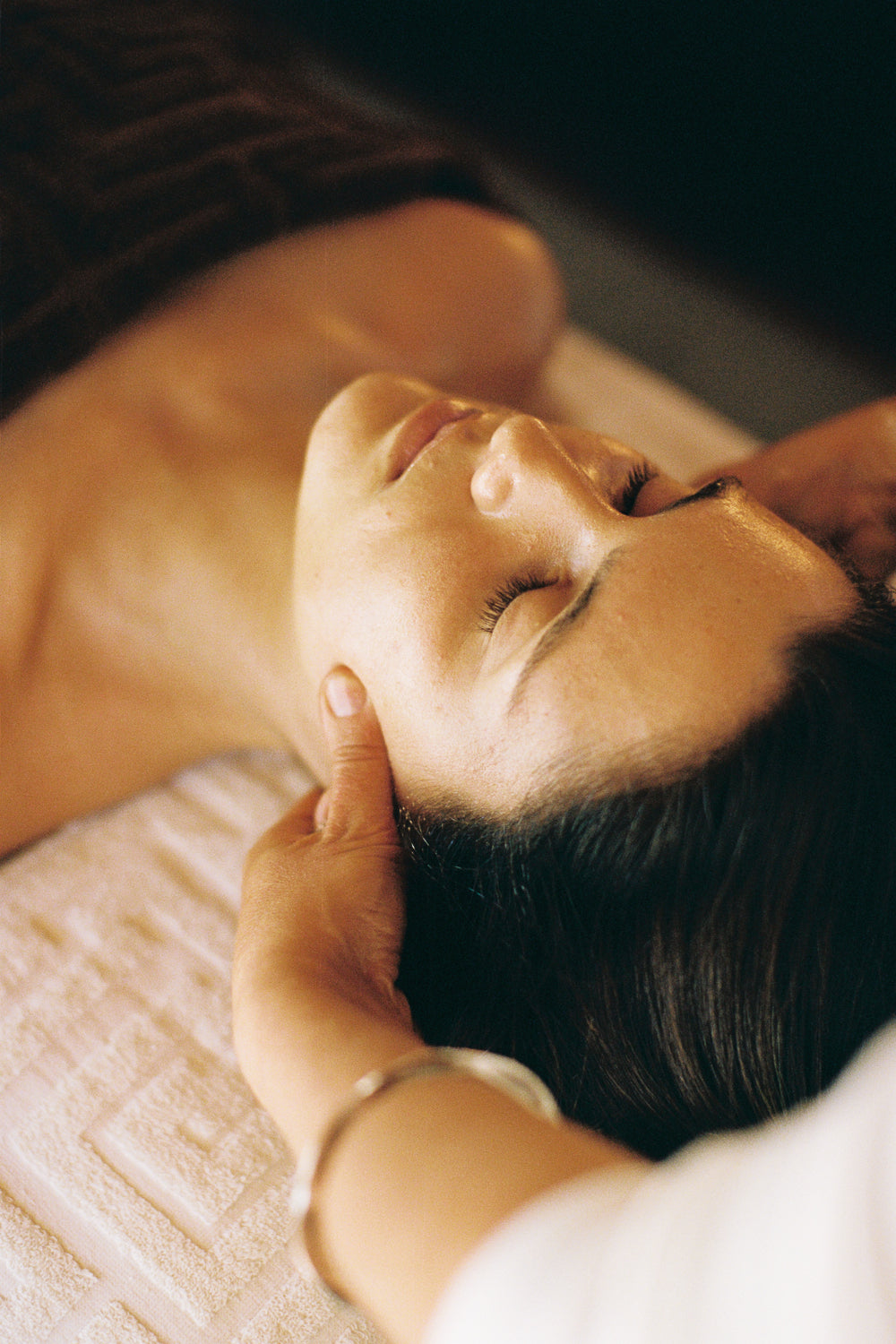
When the cheeks feel heavy but the skin is calm, light moving cups may be used after manual preparation through the neck and jaw. The work should feel spacious, not sharp or dragging.


Gold Coast symptom guide
A conservative guide to when gentle facial cupping may fit cosmetic puffiness, cheek heaviness or a fluid-heavy lower face, and when lymphatic drainage or medical advice should come first.
At Her Solis, facial cupping is never used to force swelling down, detox the face or promise sculpting. It is a light, moving technique used only when the skin and tissue can receive suction safely.
Quick answer
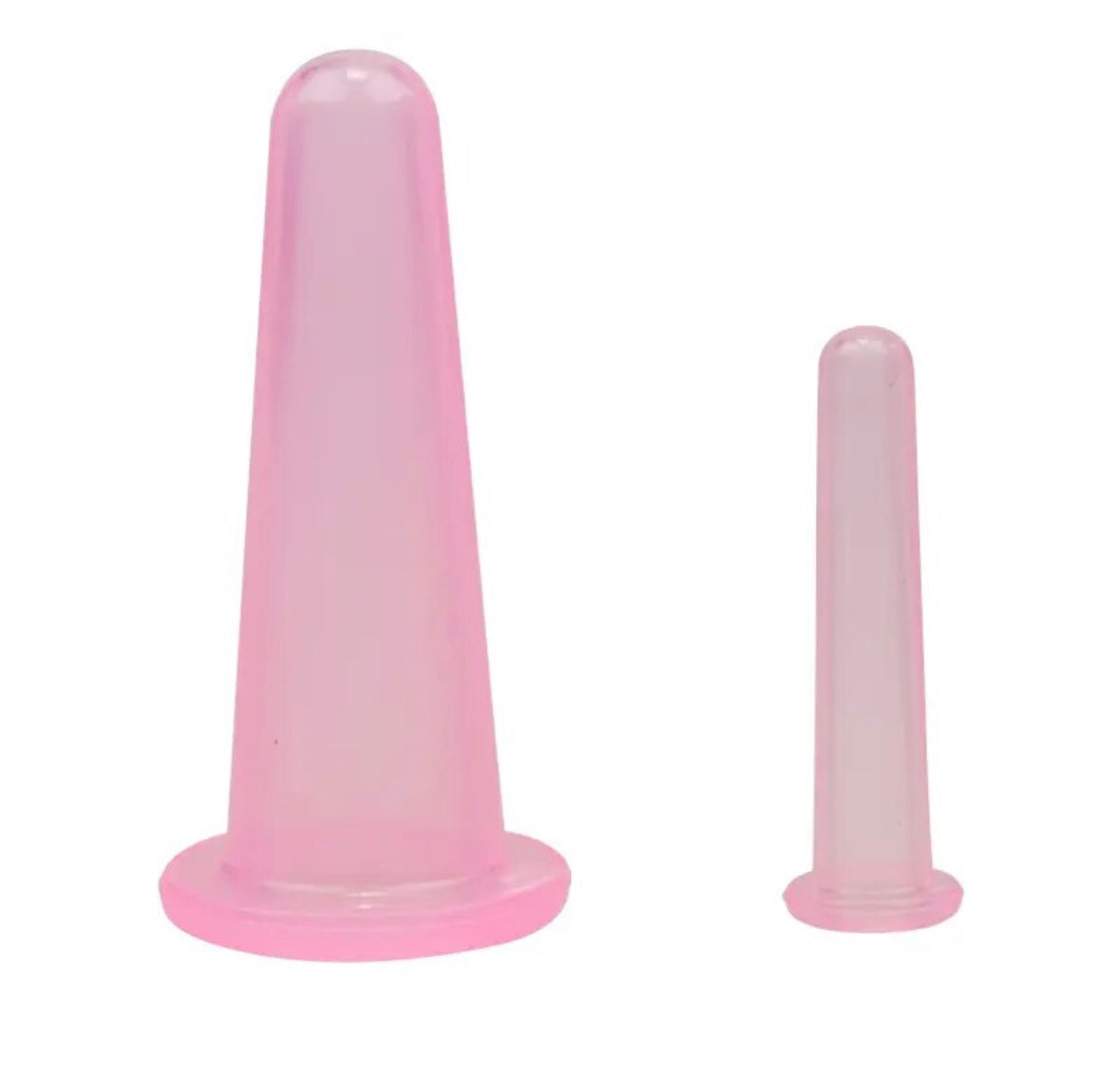
Facial cupping uses gentle negative pressure from a small silicone cup. On the face, the cup should keep moving over well-lubricated skin. The intention is to support temporary tissue softness, circulation and a less heavy facial feeling for some people, not to leave marks or aggressively pull fluid.
If puffiness is familiar, temporary and cosmetic, facial cupping may sit beside facial lymphatic drainage, neck work and slower facial massage. If puffiness is sudden, painful, one-sided, feverish, dental-related, linked with breathing or allergy symptoms, or keeps worsening, read Facial Puffiness Support and seek medical or dental advice first. For the gentler hands-only route, read Lymphatic Drainage for Puffy Face.
This page is the cup-specific child guide beneath Facial Cupping Gold Coast. If you are choosing between suction, gua sha and manual lymphatic drainage, read Gua Sha for Puffiness and the broader Gua Sha vs Facial Cupping comparison.
Best-fit patterns
When the cheeks feel heavy but the skin is calm, light moving cups may be used after manual preparation through the neck and jaw. The work should feel spacious, not sharp or dragging.
A fluid-heavy lower face can overlap with jaw holding, sleep position, travel and stress load. Cupping may be supportive only when the tissue is not sore, inflamed or easily bruised.
After flights, heat or disrupted sleep, the face can feel stagnant. A lymphatic-first facial may be the safest starting point, with cups added only if the skin is resilient that day.
If puffiness comes with clenching or a dense masseter area, compare Jaw Tension Support before assuming suction is the main treatment tool.
Facial cupping fits best when the barrier is stable, the skin is not flaring, and the client does not bruise easily. Reactive, vascular or rash-prone skin often needs a softer path.
If you own cups, start with the Home Facial Cupping guide. Home use should stay light, occasional and moving, with no bruising goal.
Treatment sequencing
Her Solis first separates cosmetic puffiness from symptoms that need medical, dental, dermatology or emergency care. Facial cupping is not used for medical swelling, infection, allergy, injury, lymphoedema or unexplained oedema.
Most sessions begin with the neck, clavicle and jaw region rather than immediately cupping the face. The science child page How Facial Lymphatics Work explains why this pathway matters.
When cups are used, they stay moving and gentle. Redness should settle. Dark circular marks, stinging, heat, broken capillaries or tenderness mean the technique was too strong or the skin was not suitable.
Puffiness work should leave the face settled. If the skin is sensitive, the better endpoint may be simple barrier support, slow massage, or no tools at all.
When not to cup
The safest choice is sometimes no suction. Cupping can aggravate the wrong tissue state, especially when puffiness is not a simple cosmetic pattern.
Gold Coast context
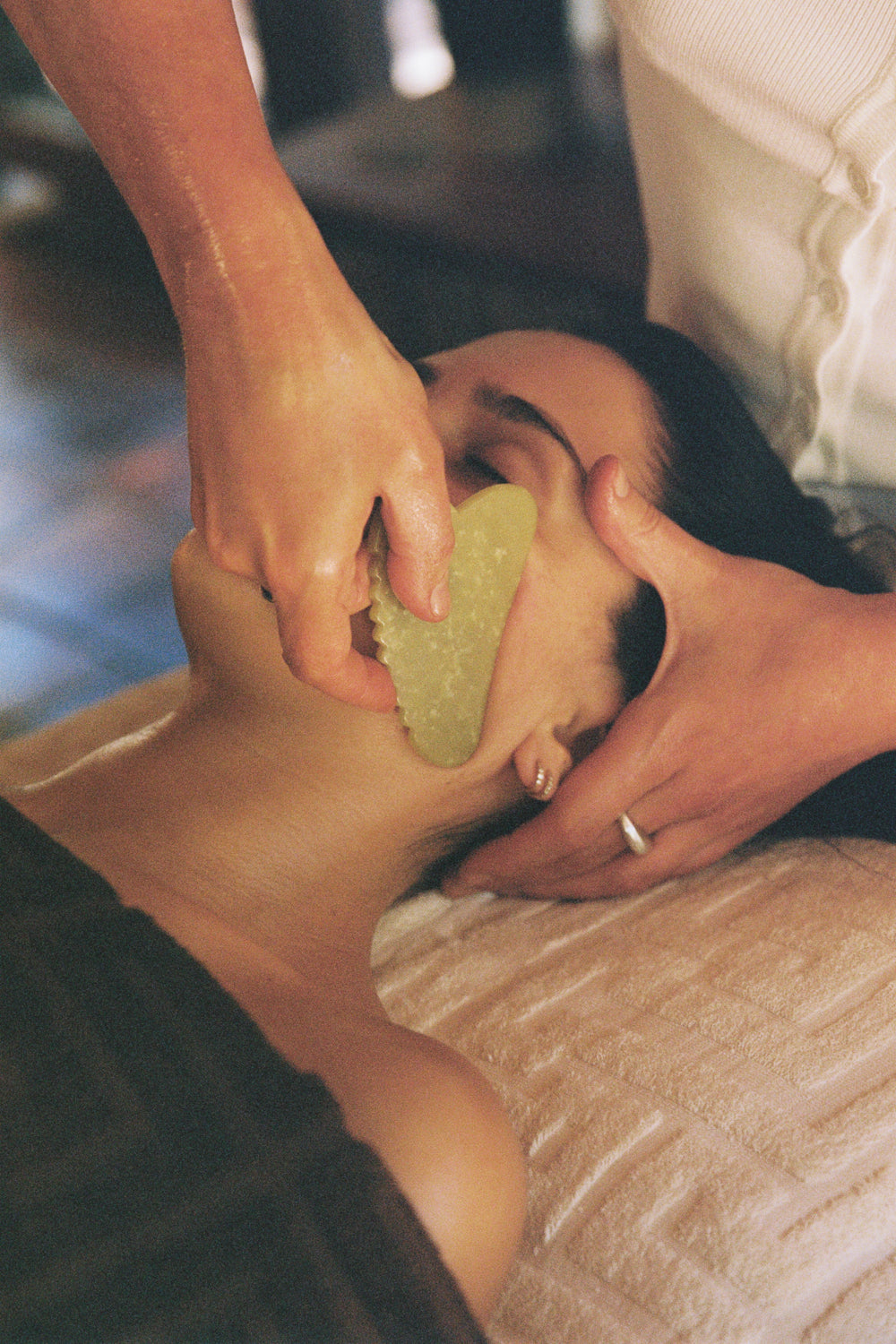
Her Solis is based in Currumbin Waters on the Gold Coast. Clients visit for facial cupping, lymphatic facials, gua sha, jaw-aware facial work, buccal massage and barrier-aware skin support.
For clients searching for face cupping for puffiness Gold Coast, lymphatic facial cupping near Palm Beach, puffy face support Currumbin or facial cupping near Burleigh Heads, this page explains when suction belongs in the plan and when a slower manual or medical pathway is more appropriate.
Evidence and limits
Cupping is a traditional complementary practice that uses vacuum pressure on the skin. Clinical summaries describe dry cupping, wet cupping, moving cupping and cosmetic or facial applications, but facial-specific research for puffiness remains limited.
Small physiological studies suggest cupping can change local skin blood flow, and clinical references describe possible adverse effects such as redness, bruising, blistering, infection risk or dizziness when technique or suitability is poor. This supports a cautious Her Solis position: gentle moving facial cups may be considered for some cosmetic puffiness patterns, but they are not a medical swelling treatment and should not be framed as detox, fat loss or permanent sculpting.
FAQs
It may support the appearance or feeling of cosmetic puffiness for some people when the skin is calm and the technique is light. It is not appropriate for sudden, painful, one-sided, persistent or medical swelling.
Often, yes. Manual lymphatic drainage is usually the gentler first step for puffiness. Facial cupping may be added only when skin tolerance, tissue tenderness and safety boundaries allow. Read Lymphatic Drainage for Puffy Face for the hands-only pathway, or Gua Sha for Puffiness if you are considering a gliding tool instead of suction.
No. Mild temporary pinkness can happen, but dark circular marks, bruising, heat or tenderness usually mean the suction was too strong, the cup stayed still or the skin was not suitable.
Only if your skin is suitable and you use very light moving strokes with enough slip. Read the Home Facial Cupping guide first, and stop if the skin stings, flushes strongly, bruises or feels hot.
Avoid facial cupping over inflamed, infected, broken, bruised, sunburned, recently treated or highly reactive skin. Seek medical or dental advice first for unexplained, sudden, painful, one-sided, feverish, allergy-linked or worsening swelling.