Stinging or Heat
Water, cleanser or familiar products suddenly sting, burn or feel too strong.


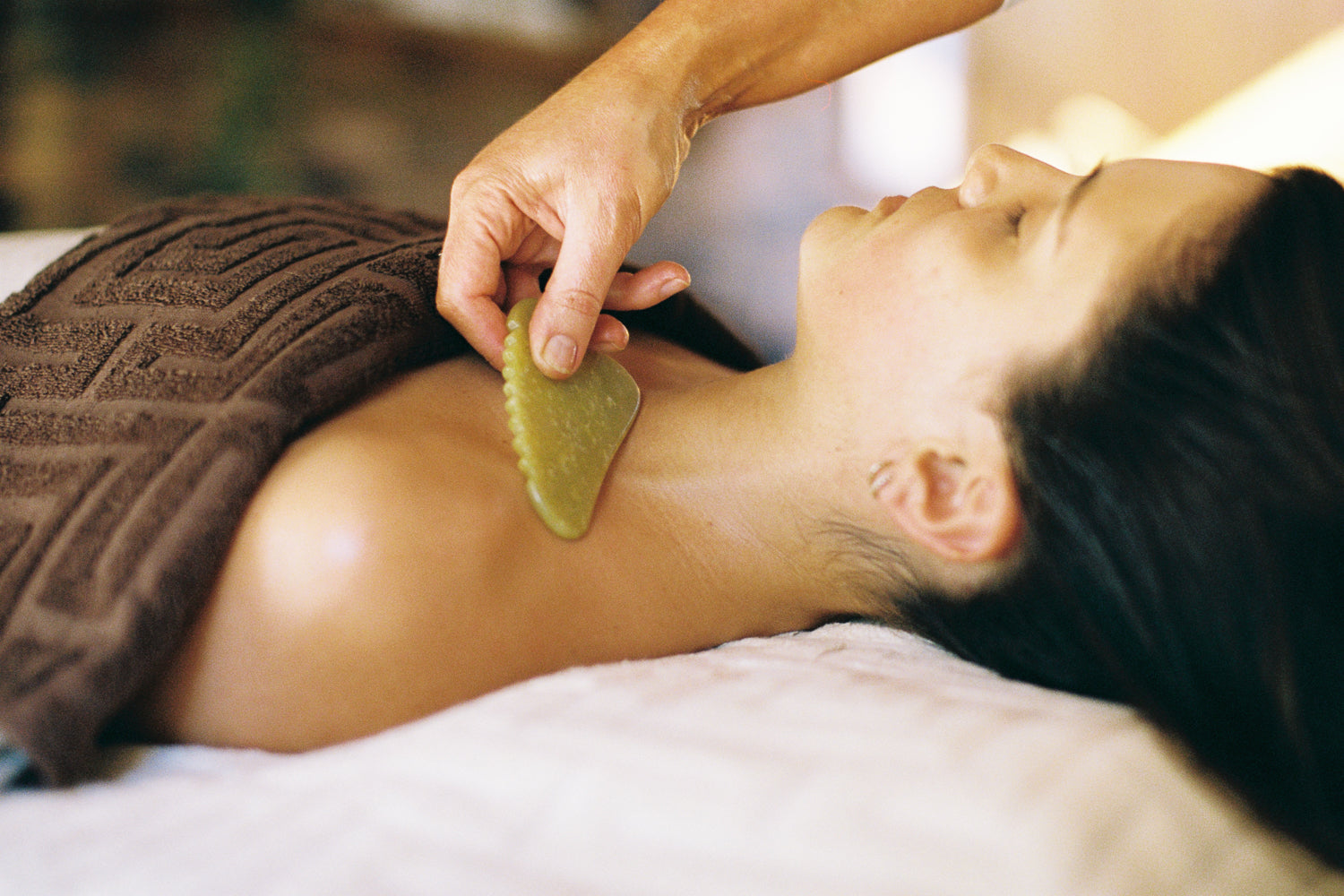
Skin barrier education
A calm, conservative guide for when skin feels tight, hot, stingy or suddenly intolerant after too many exfoliating products, treatments or active ingredients.

What people mean
"Over-exfoliated" is everyday language, not a diagnosis. People often use it when their face starts to sting, burn, flush, feel tight, peel, look unusually shiny, break out, or react to products that normally feel comfortable.
Exfoliating acids, retinoids, scrubs, cleansing brushes, strong masks, frequent treatments and too many active products can all be difficult for some skin at some times. Current evidence strongly supports the importance of the skin barrier in irritation tolerance. It does not prove that every reactive episode is caused by exfoliation.
This page sits under Skin Barrier Repair. If your concern is ongoing burning, flushing or low tolerance, read Sensitive Skin Barrier Support. For a product-aware, simpler-routine starting point, read Skin Barrier Routine. If you are trying to understand microbiome marketing alongside barrier care, Skin Barrier vs Skin Microbiome explains the difference.
Common signs
Water, cleanser or familiar products suddenly sting, burn or feel too strong.
The face can feel dry, papery or tight even while some areas appear oily or shiny.
Products, touch, heat or tools that were previously manageable now feel like too much.
Redness, bumps, rash, pain or worsening symptoms may have another cause and need clinical assessment.
A calmer first response
When skin is already uncomfortable, the safest beauty decision is often to make the routine simpler rather than more corrective. Pause or reduce products that are clearly causing discomfort, avoid adding another active to solve the reaction, and give the skin space to show how it responds.
Her Solis cannot diagnose contact dermatitis, rosacea, eczema, acne or infection. If you are unsure whether a reaction is significant, it is appropriate to ask a GP, pharmacist, dermatologist or relevant clinician before booking a facial.
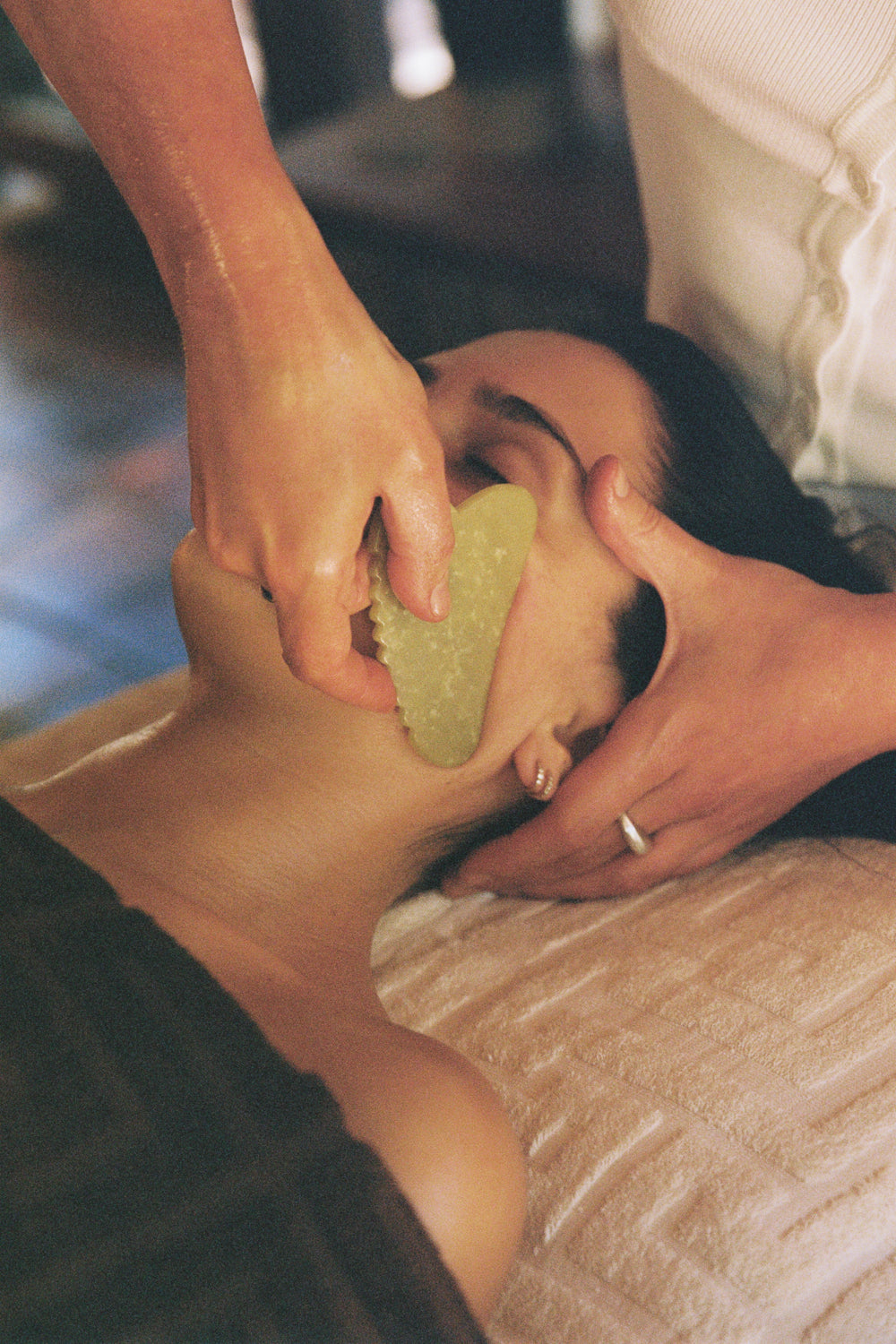
Facial suitability
A facial is not a treatment for damaged or diseased skin. When the face is hot, inflamed, sore, broken, peeling heavily or reacting unpredictably, clinical advice may need to come before any treatment.
When skin is stable enough for a facial, Her Solis may take a lower-stimulation direction: fewer products, gentler cleansing, slower touch, no exfoliation, no strong tool work and more attention to comfort. A Holistic Facial can be a conversation-led option for suitable skin, not a promise of recovery. If stress and poor sleep also seem to lower tolerance, Stress and Skin Reactivity offers a related, non-medical perspective.
Evidence and limits
Barrier function is central to how skin holds water, meets the environment and tolerates topical products. Research on sensitive skin and irritant reactions supports a cautious approach when the face is uncomfortable or easily triggered.
But symptoms that look like "over-exfoliation" can overlap with an allergy, dermatitis, rosacea, acne treatment side effects, infection or another condition. More high-quality research is needed on many product-specific recovery claims, and this page should not replace clinical care.
FAQs
It is not possible to diagnose the cause of skin symptoms from a general guide. Stinging, heat, tightness, peeling and lower tolerance after exfoliating products can be a reason to simplify the routine and consider clinical advice.
Do not keep using a product that is causing discomfort. Pause it and seek qualified advice if symptoms are significant, persistent or worsening.
No. Her Solis does not claim that a facial repairs damaged skin. A gentle, lower-stimulation facial may be appropriate only when the skin is stable and suitable for treatment.
Recovery varies and depends on the cause, products involved, skin history and whether a medical condition is present. Avoid relying on a fixed recovery timeline; seek professional advice when unsure.
Read Skin Barrier Repair for the broader framework, Sensitive Skin Barrier Support for low tolerance, and Skin Barrier vs Skin Microbiome for claim-safe skincare context.