Cleanse without stripping
Choose a cleanser that feels comfortable, and consider whether frequency, water temperature or rubbing is contributing to tightness or stinging.


Simple skincare guidance
When skin feels tight, stingy, reactive or overloaded, adding more is rarely the first answer. This guide helps you simplify a routine, introduce products carefully and recognise when clinical care should come first.
Quick answer
A skin-barrier routine is not a cure or a diagnosis. It is a practical way to reduce unnecessary irritation while learning what the skin can comfortably tolerate. For some people, that means a gentler cleanser, simpler moisturising support, daily sun protection and a pause from products that sting or overwhelm.
Skin reactions have many causes. Persistent flushing, a spreading rash, painful swelling, pustules, infection signs, eye involvement or symptoms that worsen or do not settle need appropriate GP, pharmacist or dermatology care.
Important: Do not stop prescribed treatment or use a cosmetic routine to manage a diagnosed skin condition without appropriate clinical advice.
A practical rhythm
Choose a cleanser that feels comfortable, and consider whether frequency, water temperature or rubbing is contributing to tightness or stinging.
Introduce one new product at a time. A simpler moisturising step may be easier to assess than several new actives layered together.
If an exfoliant, scrub, mask or active product consistently stings or worsens tolerance, do not push through it. More stimulation is not always better.
Daily broad-spectrum sunscreen belongs in a routine when it is tolerated. Formula preference and tolerance are personal, especially for reactive skin.
Build slowly
Product paths
For cleansing, the Seabuckthorn Oil Cleanser sits inside a gentler-cleansing pathway. For a simple oil step, explore Balancing Face Oil or Everyday Oil according to texture preference and tolerance.
Masks are optional, not corrective. Activist Mānuka Honey Mask and Refining Clay Mask should fit a deliberate routine rather than be used to force a result. For daily UV protection, see Forah Everyday Mineral Sunscreen SPF 30.
Every product can be wrong for someone at a particular time. Stop using a product that is uncomfortable, and seek qualified advice for significant, persistent or worsening symptoms.
Facials and clinical care
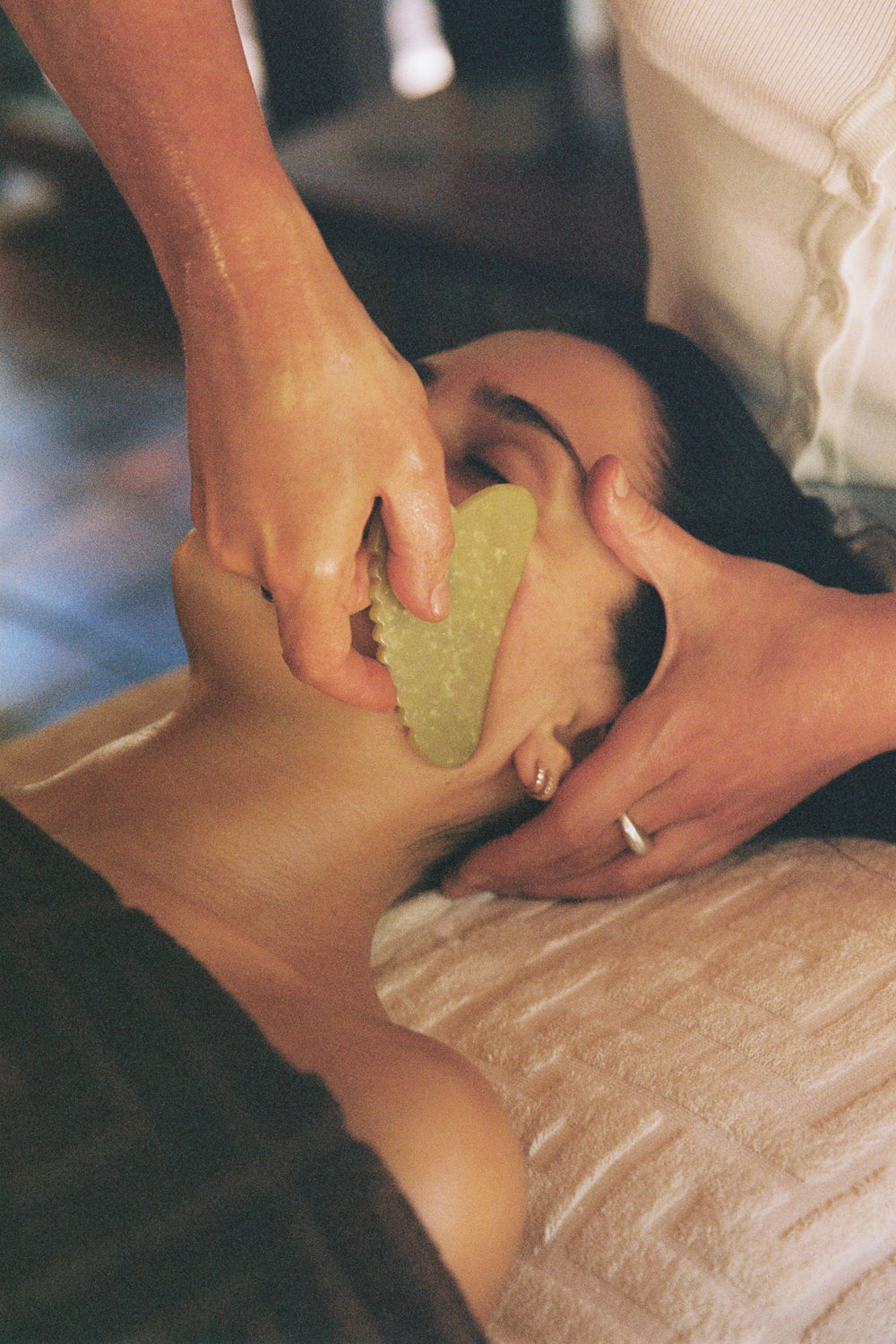
When skin is uncomfortable, a facial plan can be slowed down, simplified or deferred. The point is not to exfoliate, scrub or use strong tools just because they are part of a usual routine. Some people may prefer a gentle treatment; others need no facial treatment until the skin is calmer or they have clinical guidance.
Her Solis does not diagnose or treat eczema, dermatitis, rosacea, acne, perioral dermatitis, allergy or infection. Read Rosacea Sensitive Skin Support, Perioral Dermatitis Support or Acne and Skin Barrier Support for the relevant escalation boundaries.
Evidence and limits
The outer layers of the skin play an important role in water loss, irritation tolerance and protection from the environment. Research also supports the relevance of cleanser choice, friction, frequency and product design to the skin barrier. It does not prove that one branded routine suits every person or condition.
Consumer language about “repair”, “restoring” and “balancing” often goes further than the evidence. The most honest routine advice is practical: reduce obvious irritation, choose products slowly, respect tolerance and seek clinical help when symptoms suggest more than a cosmetic-routine concern.
Last reviewed: 11 July 2026. Author: Her Solis.
FAQs
A simple routine often means gentle cleansing, a comfortable moisturising step, daily broad-spectrum sunscreen and fewer products that clearly sting or overwhelm the skin. It is not a medical prescription.
Reducing or pausing an exfoliant that clearly stings or worsens tolerance can be a sensible cosmetic first step. Persistent or severe symptoms need appropriate clinical advice.
No. Skincare may support comfort and tolerance for some people, but it cannot diagnose or treat every cause of rash, flushing, acne, dermatitis, infection or sensitivity.
Patch test where appropriate, introduce one new product at a time and stop if it causes discomfort. This makes it easier to understand tolerance than changing the whole routine at once.
Seek appropriate care for persistent flushing, a spreading rash, painful swelling, pustules, infection signs, eye involvement, sudden changes, or symptoms that worsen or do not settle with a gentler routine.